EURegionsWeek 2026 Policy Debate – “Advancing Equitable Mental Health Across Europe: Regional Action for Stronger, More Resilient Systems”
Do not miss our Video Recap
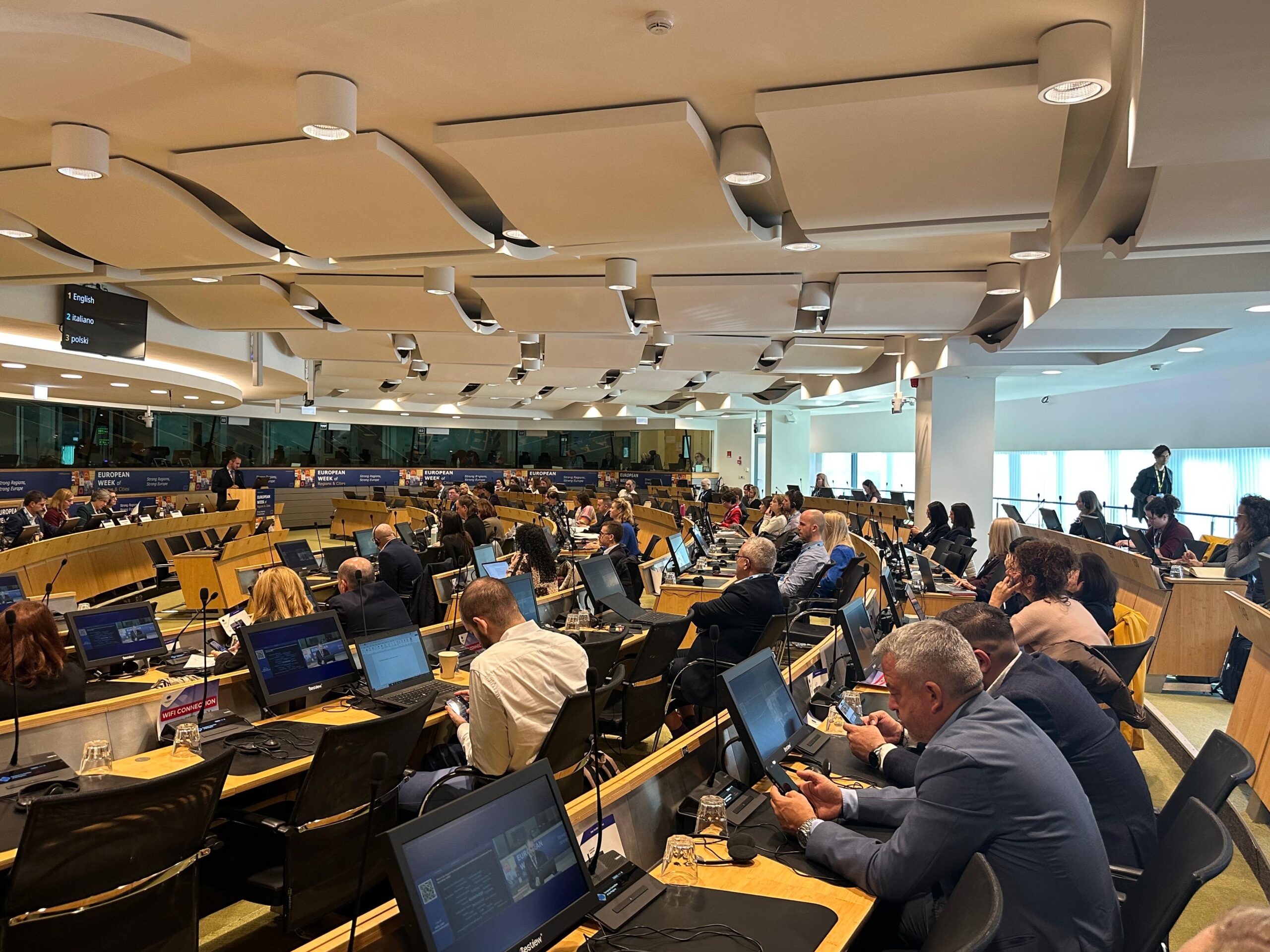
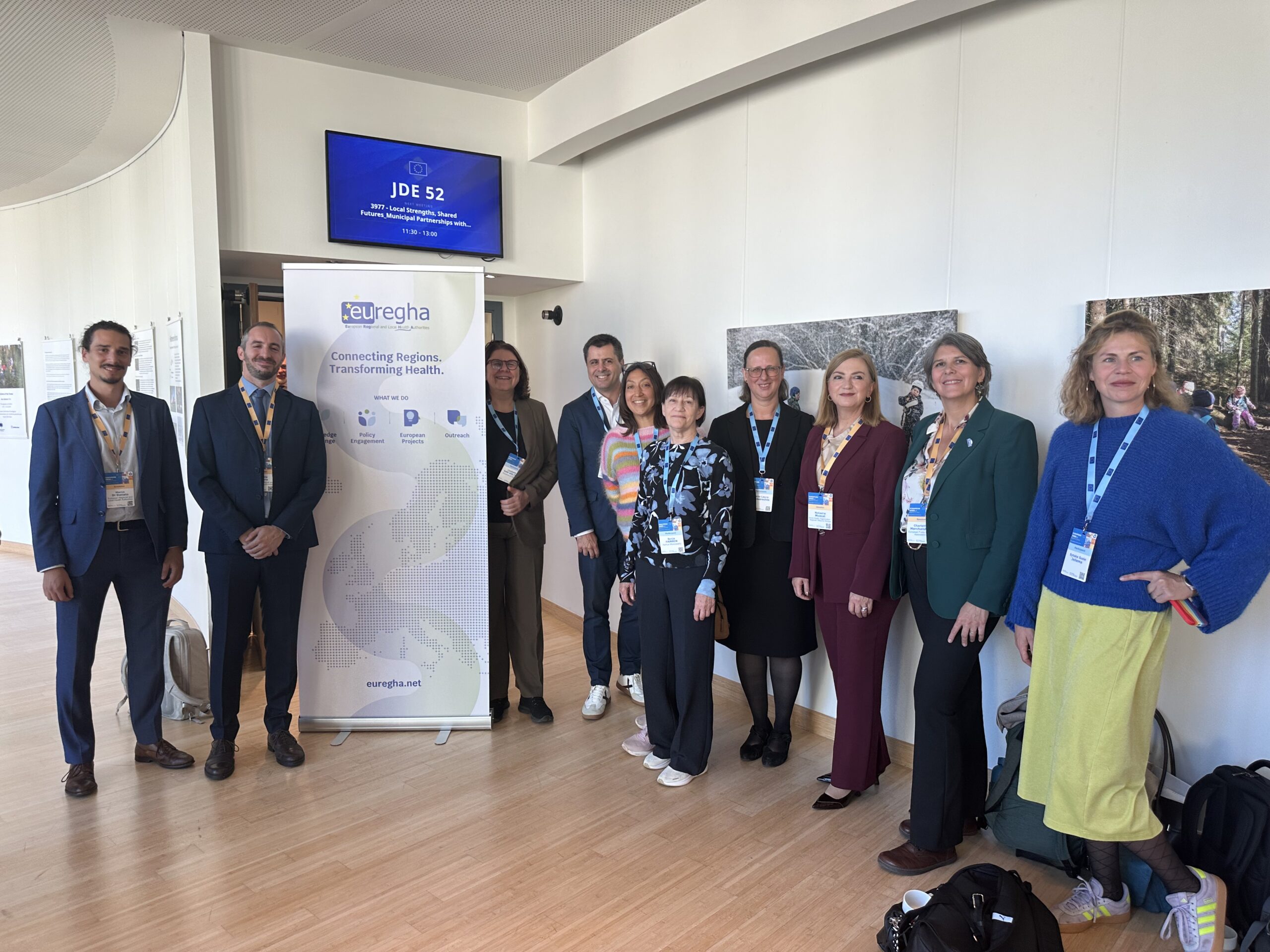
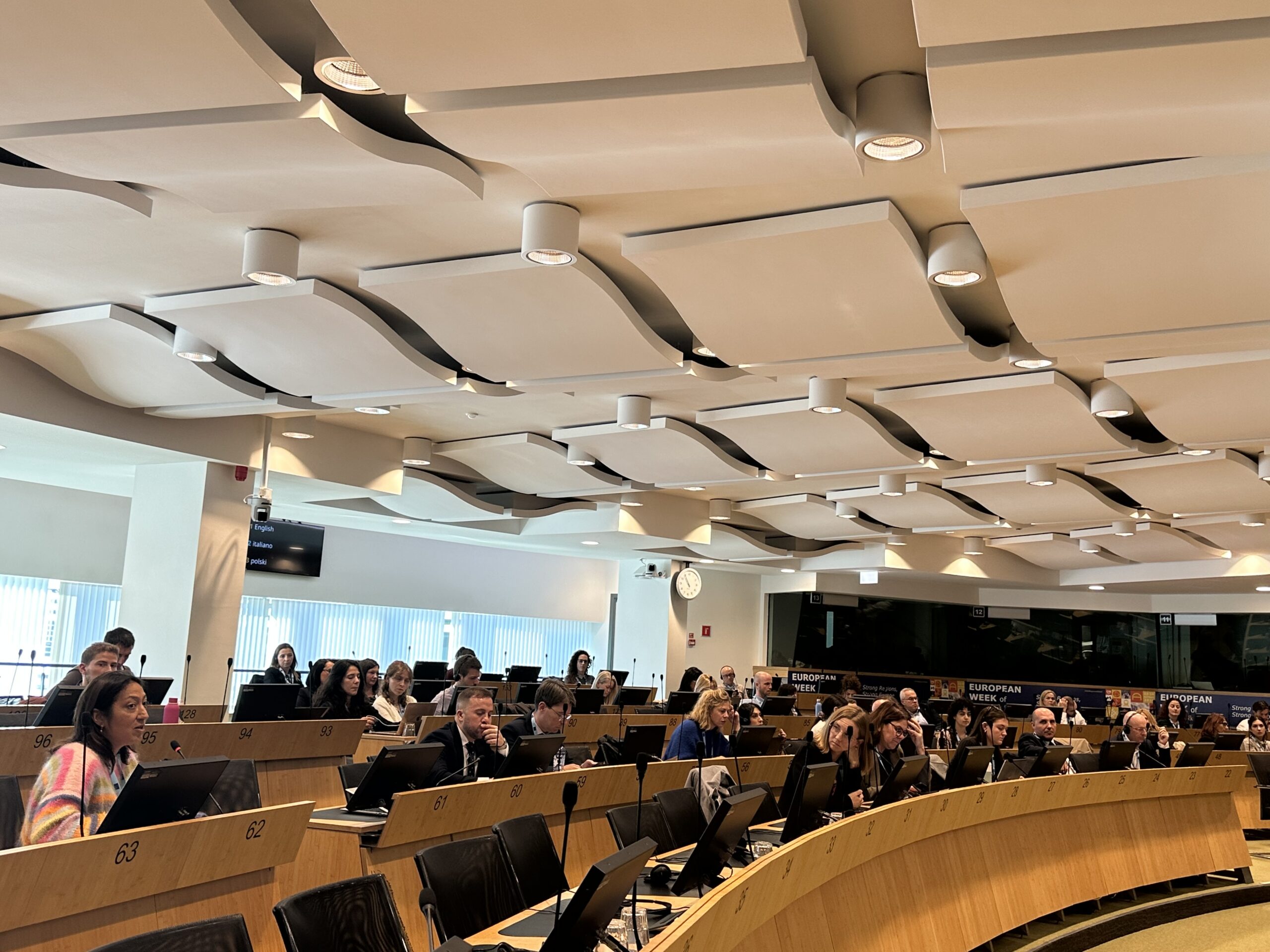
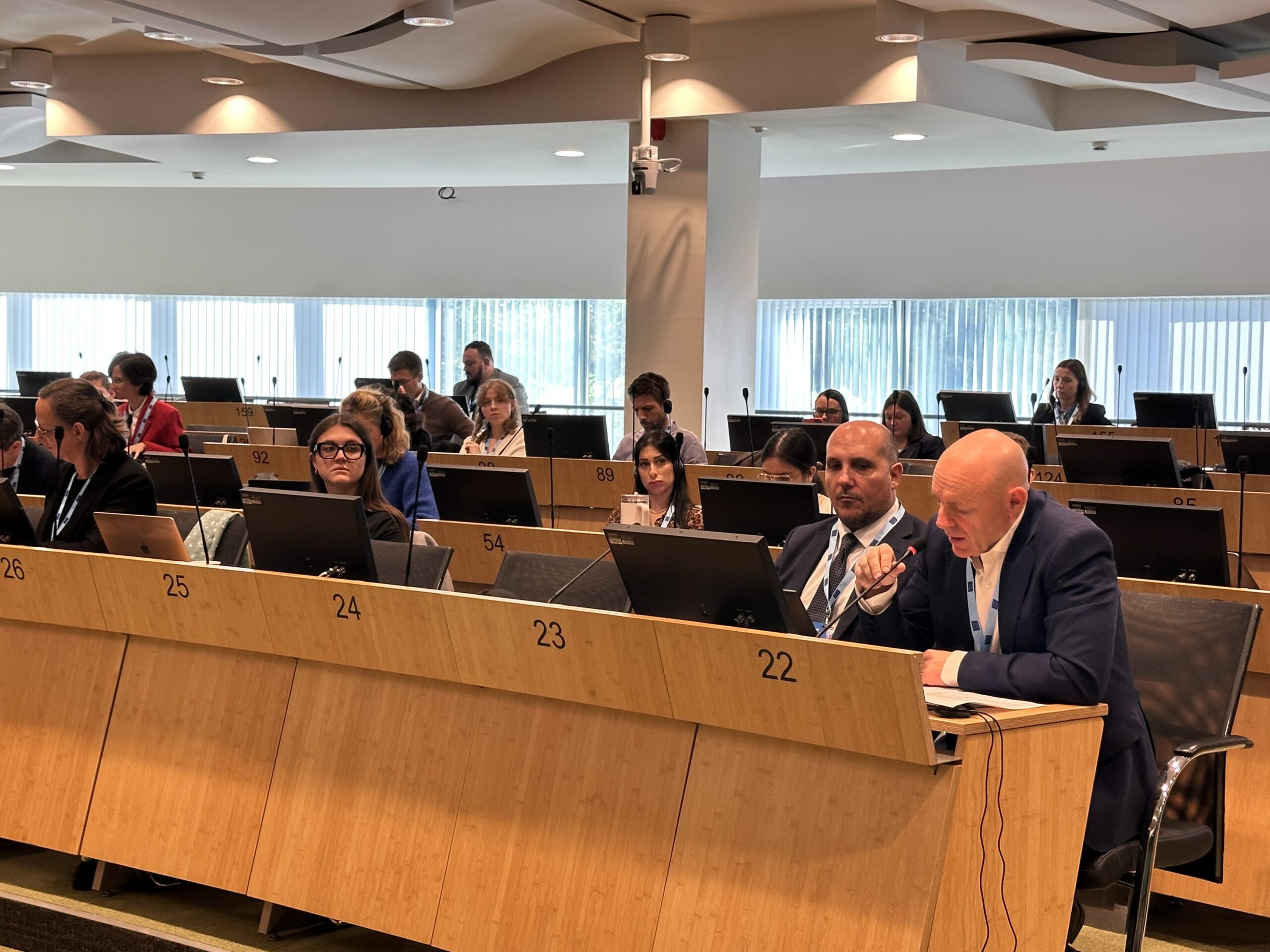
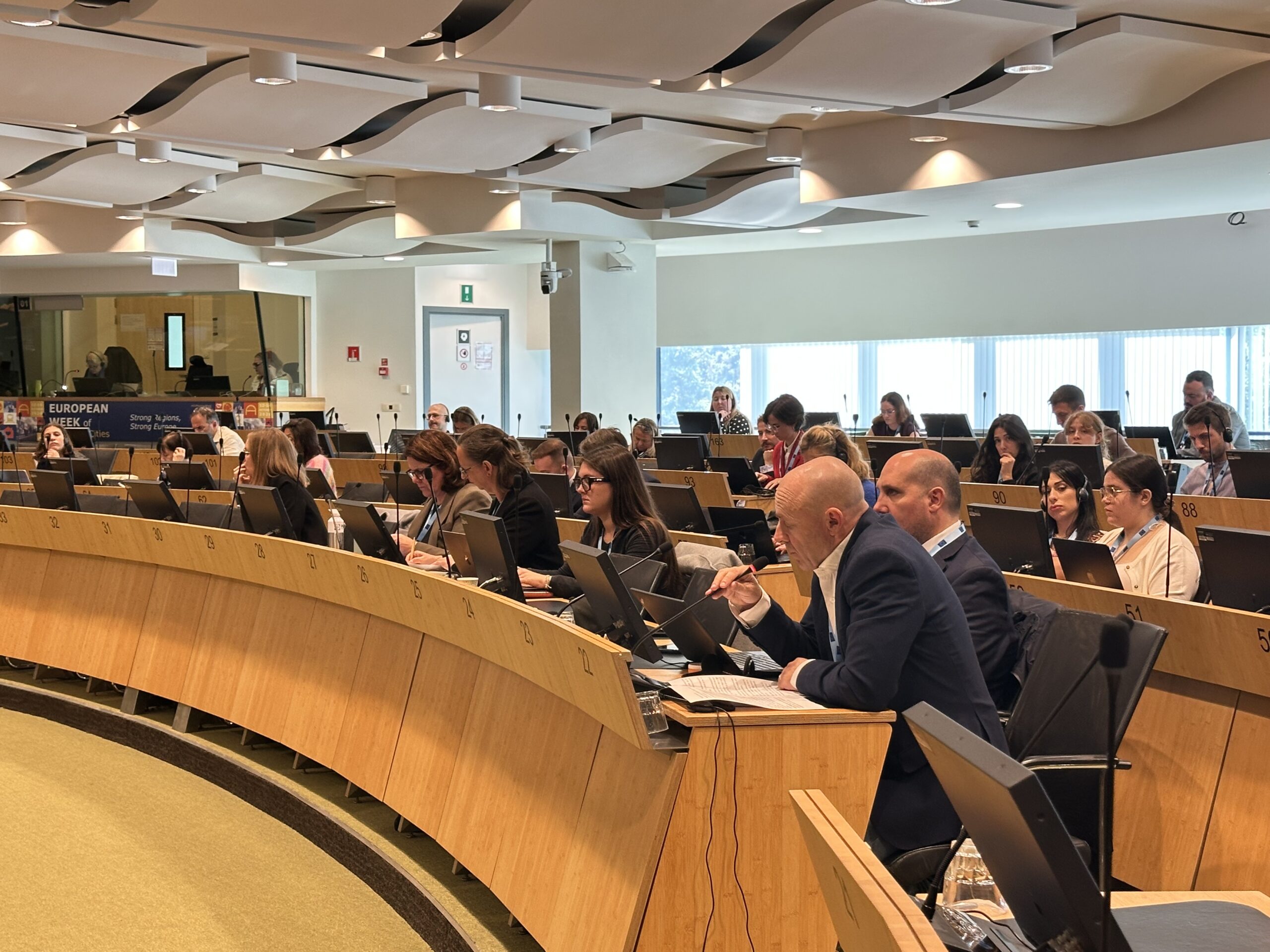
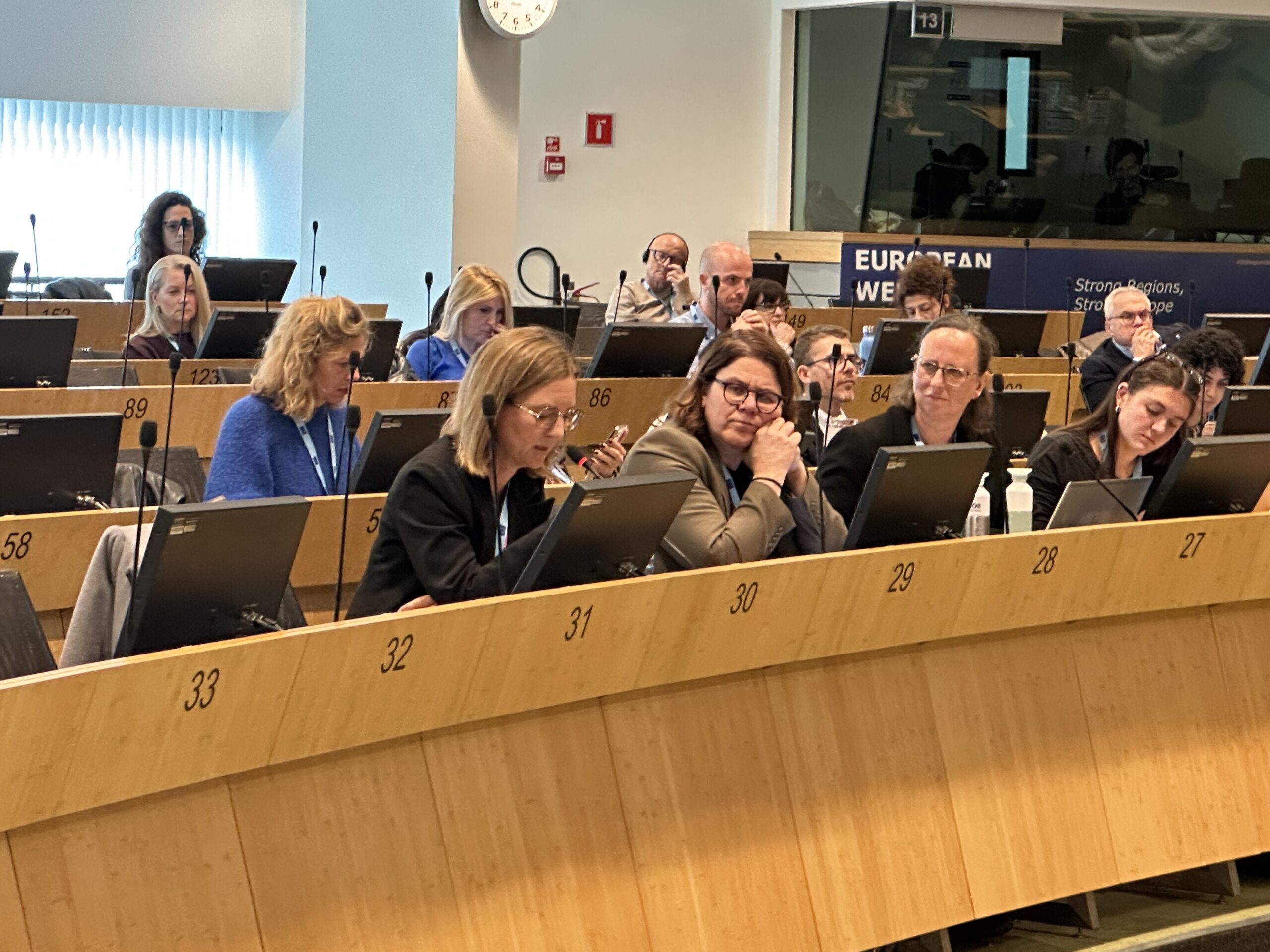
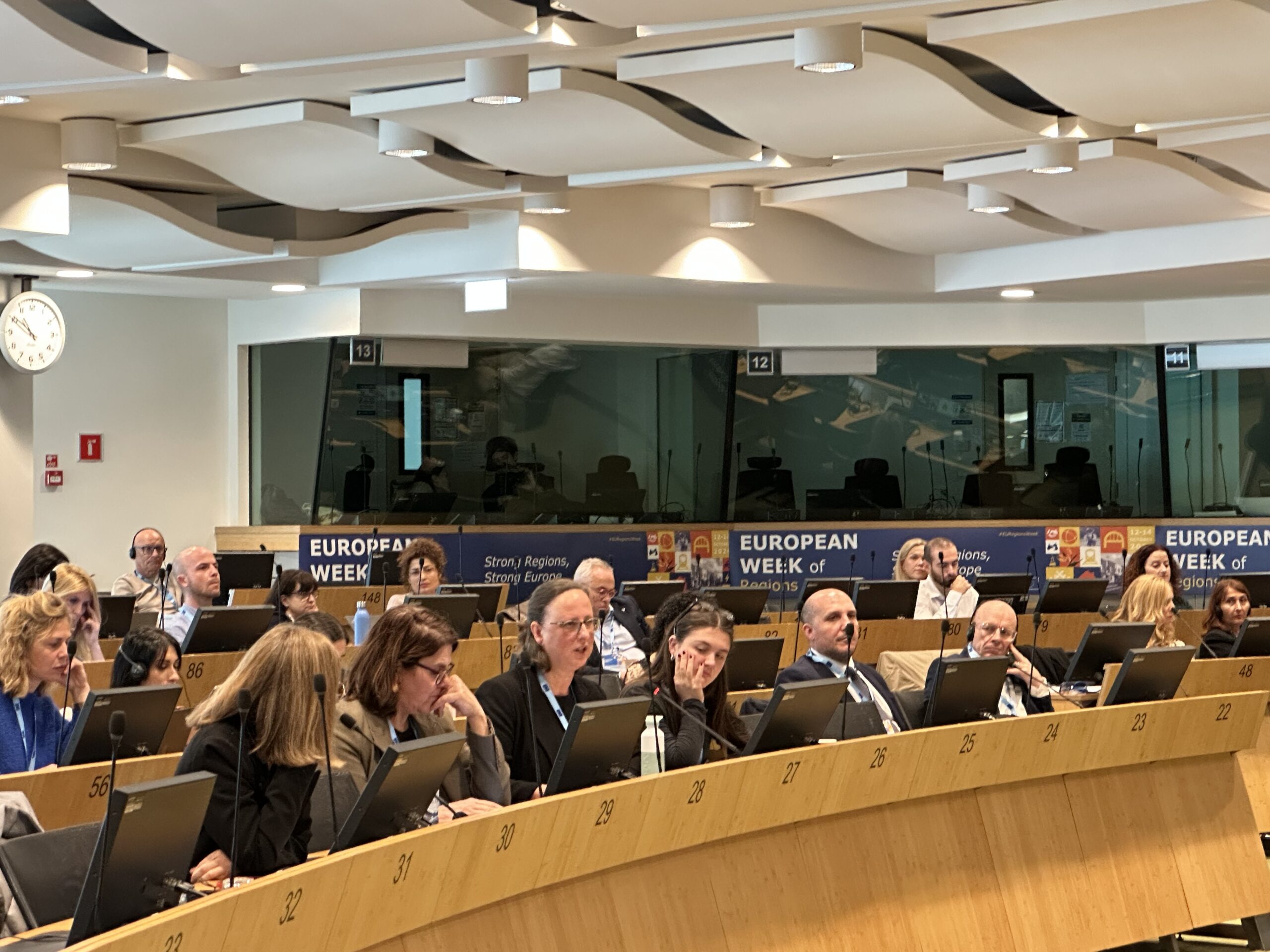
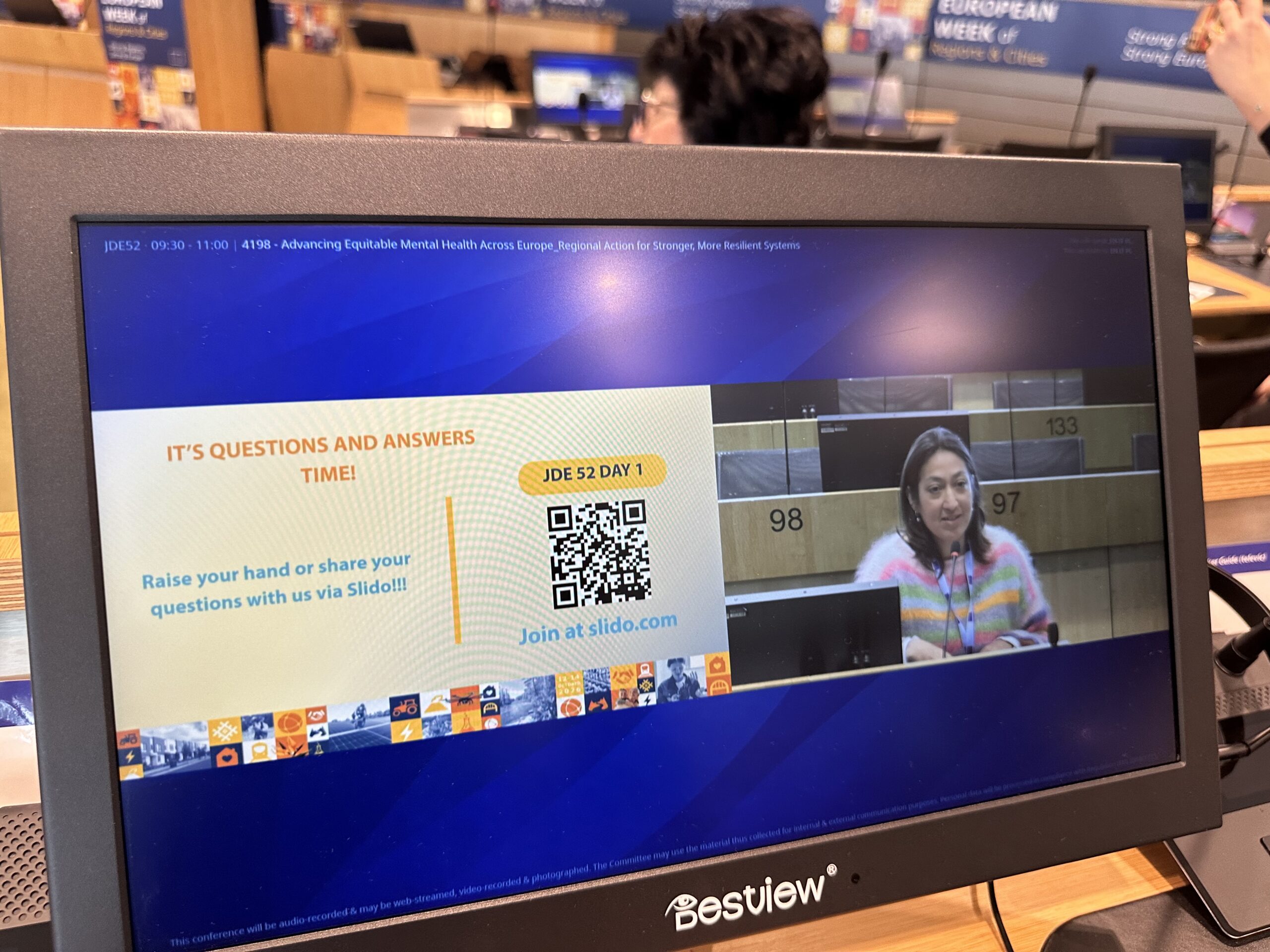
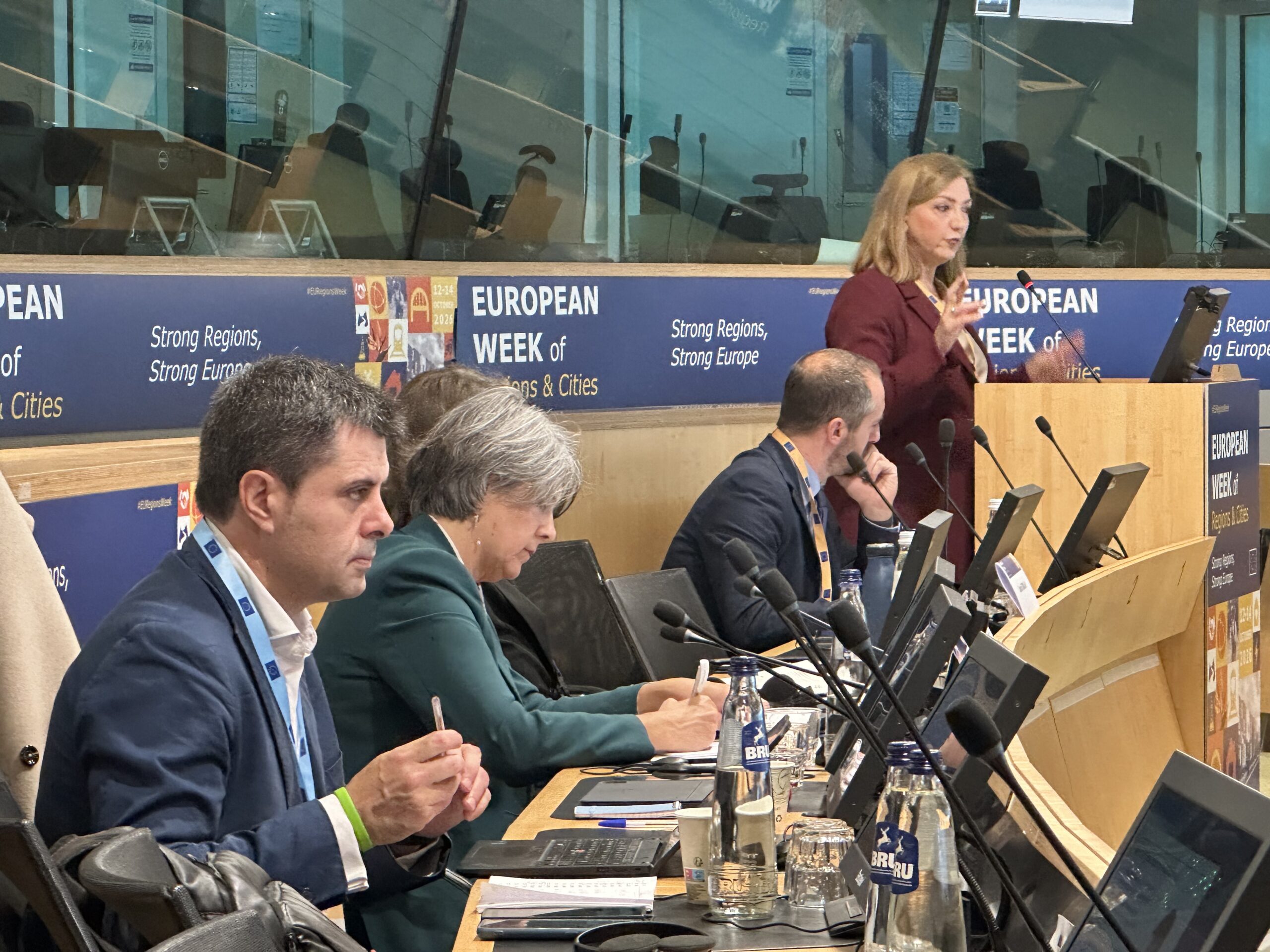
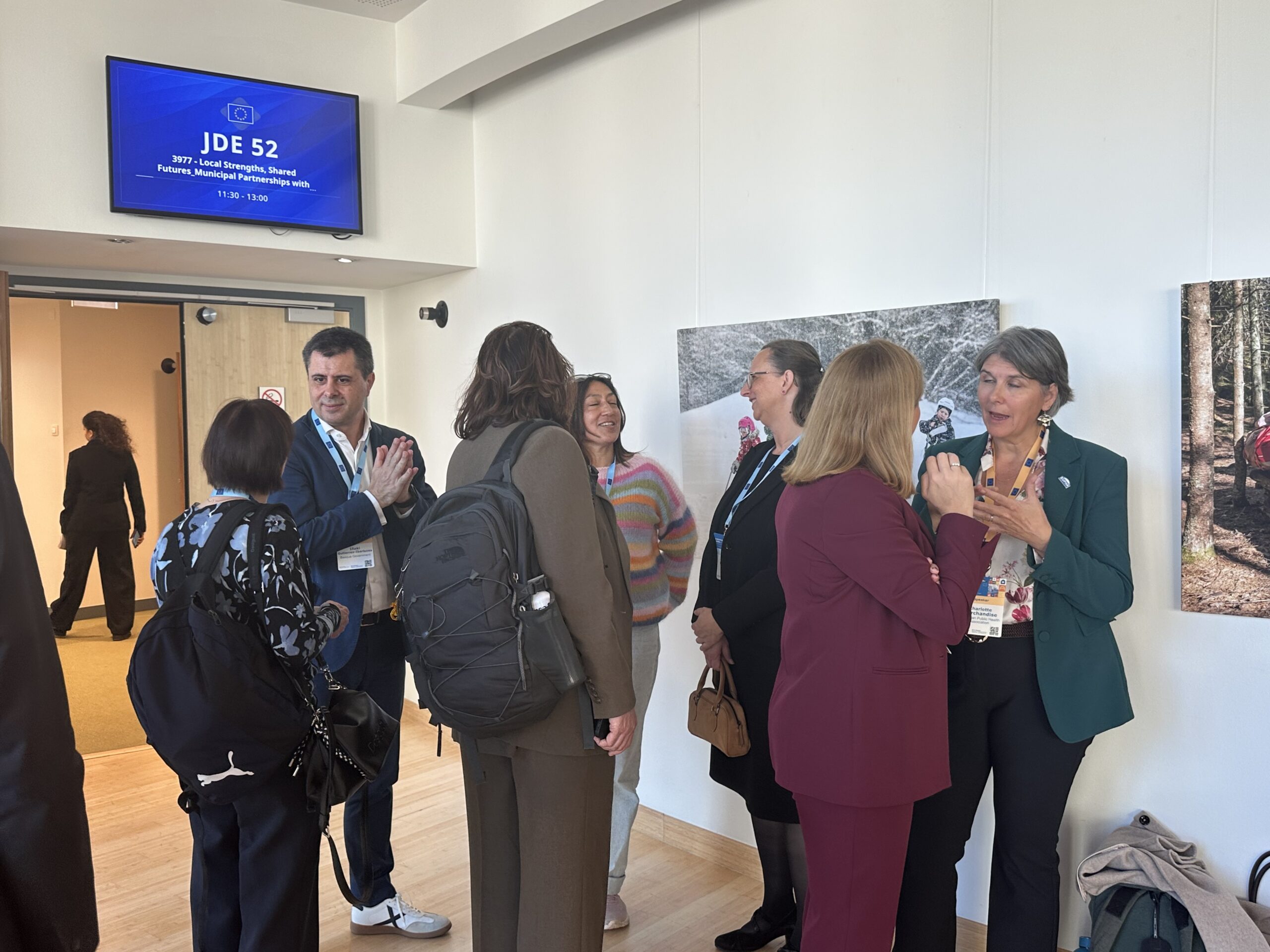
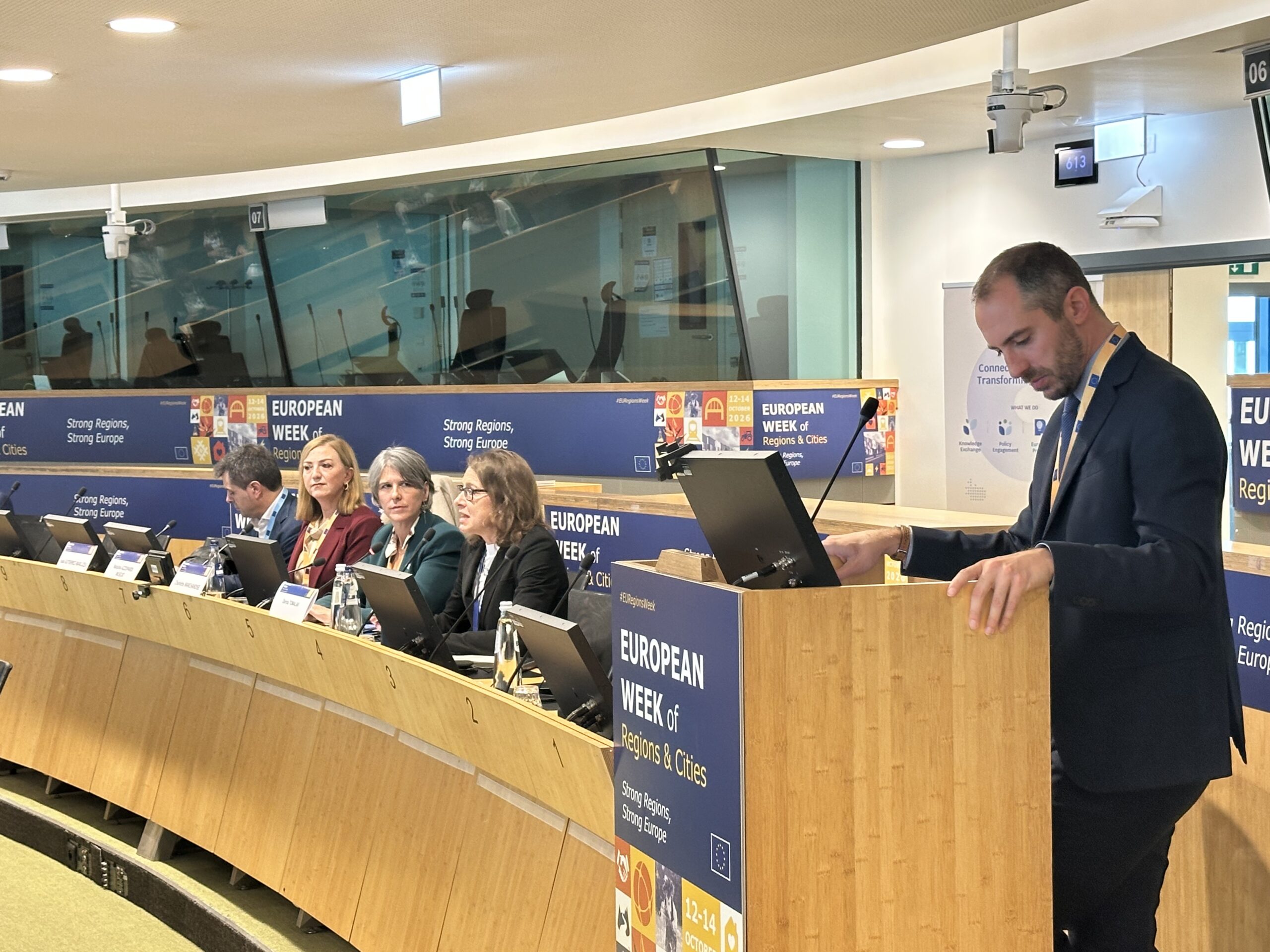
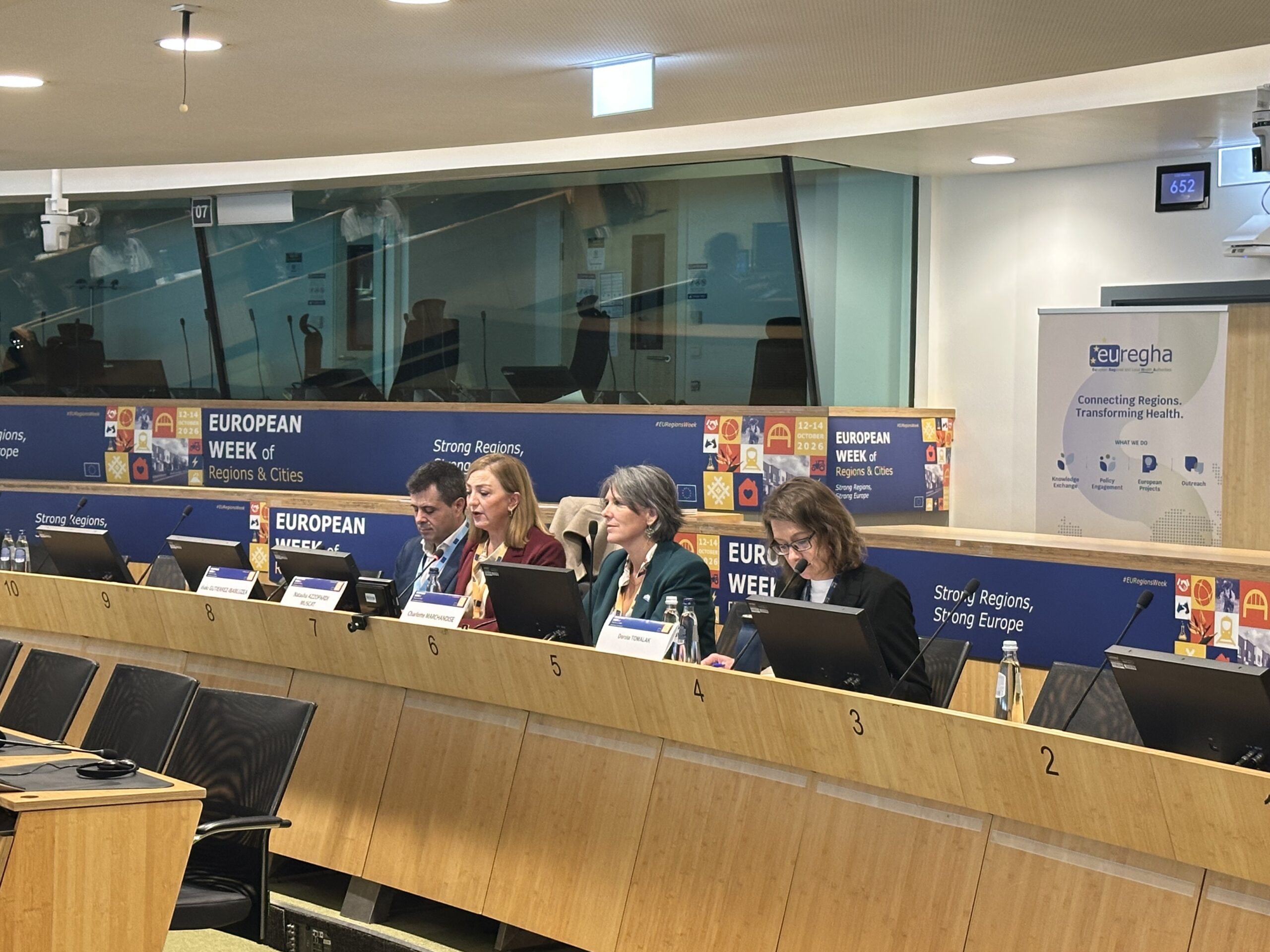
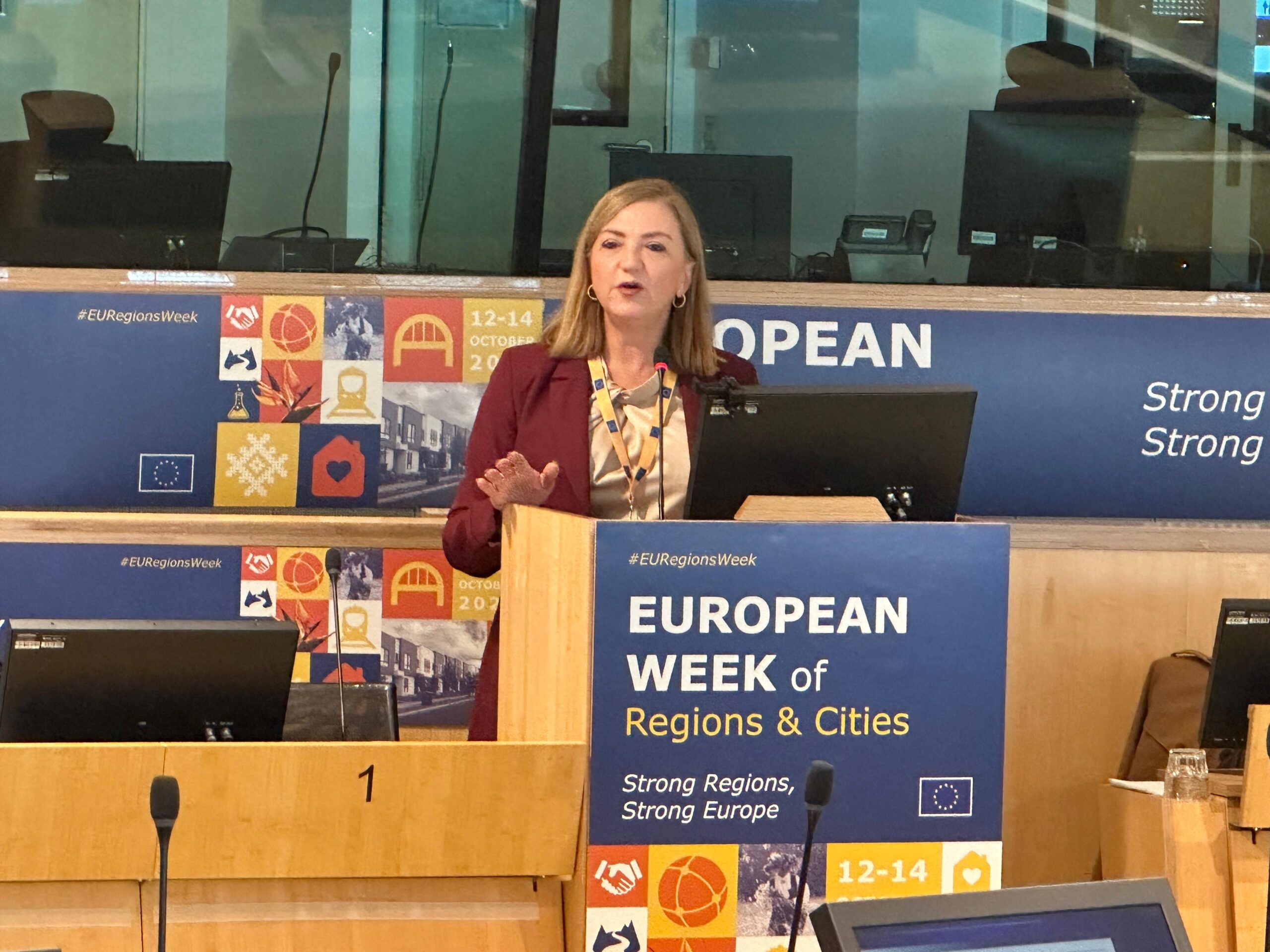
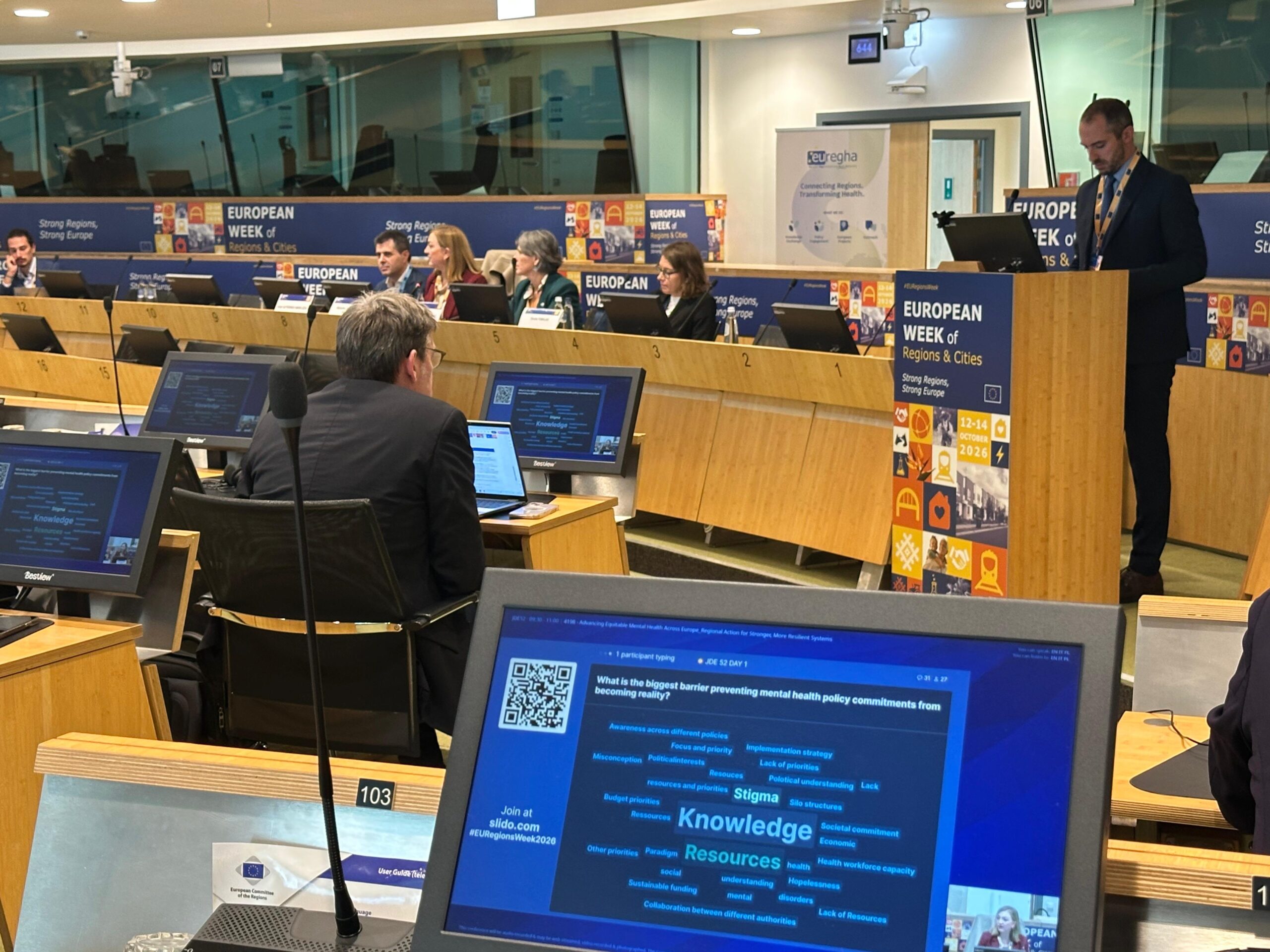
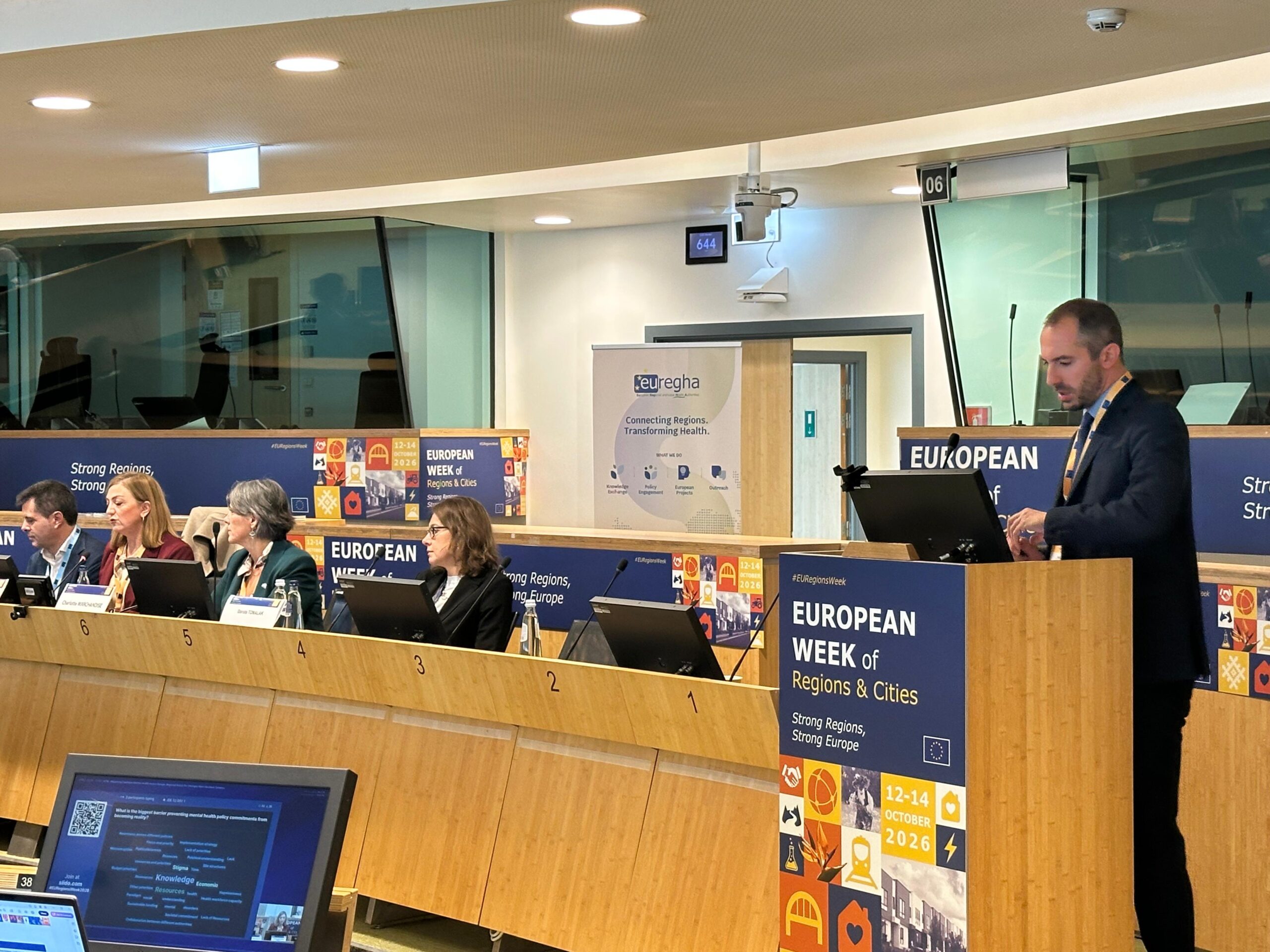
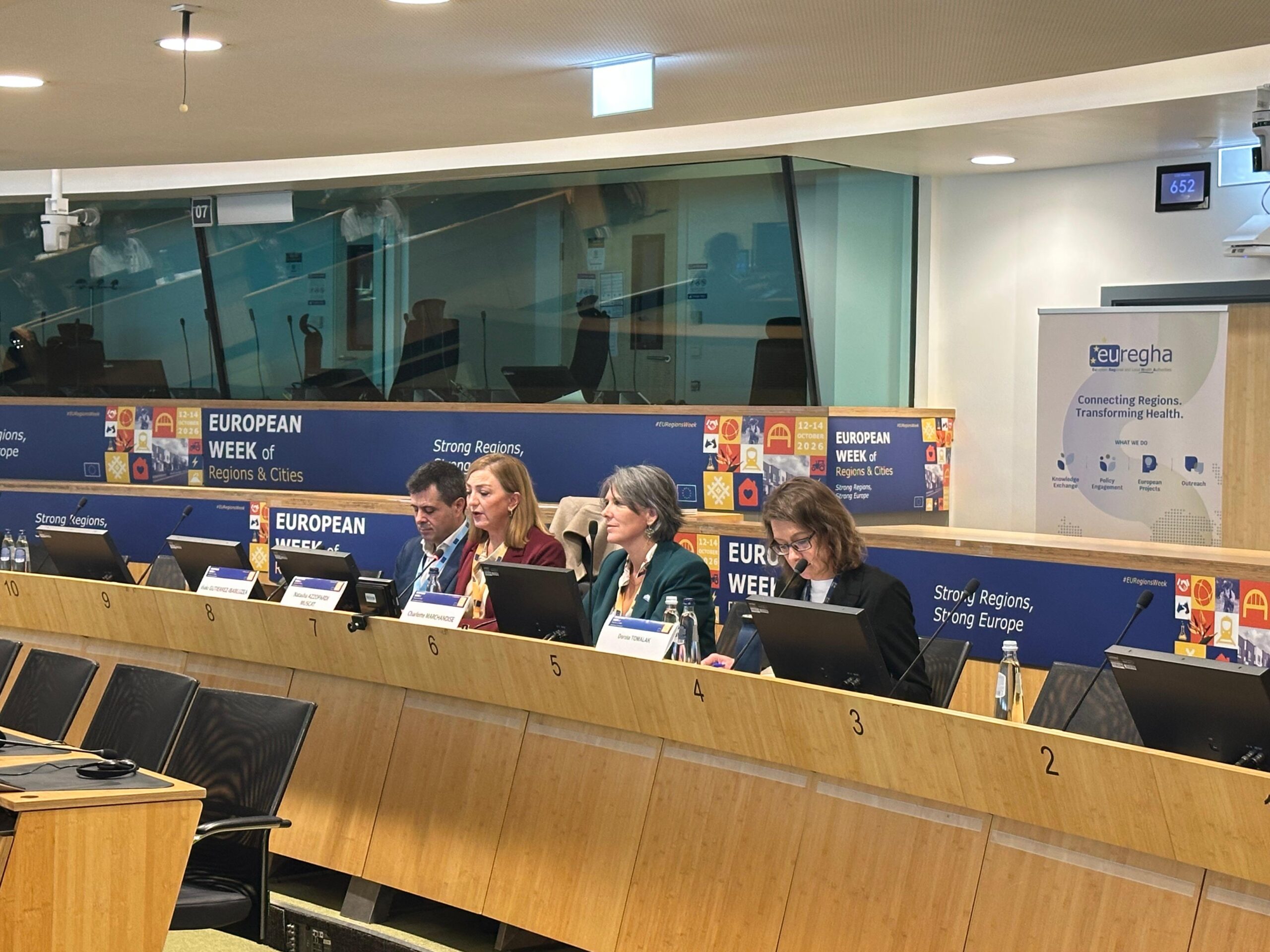
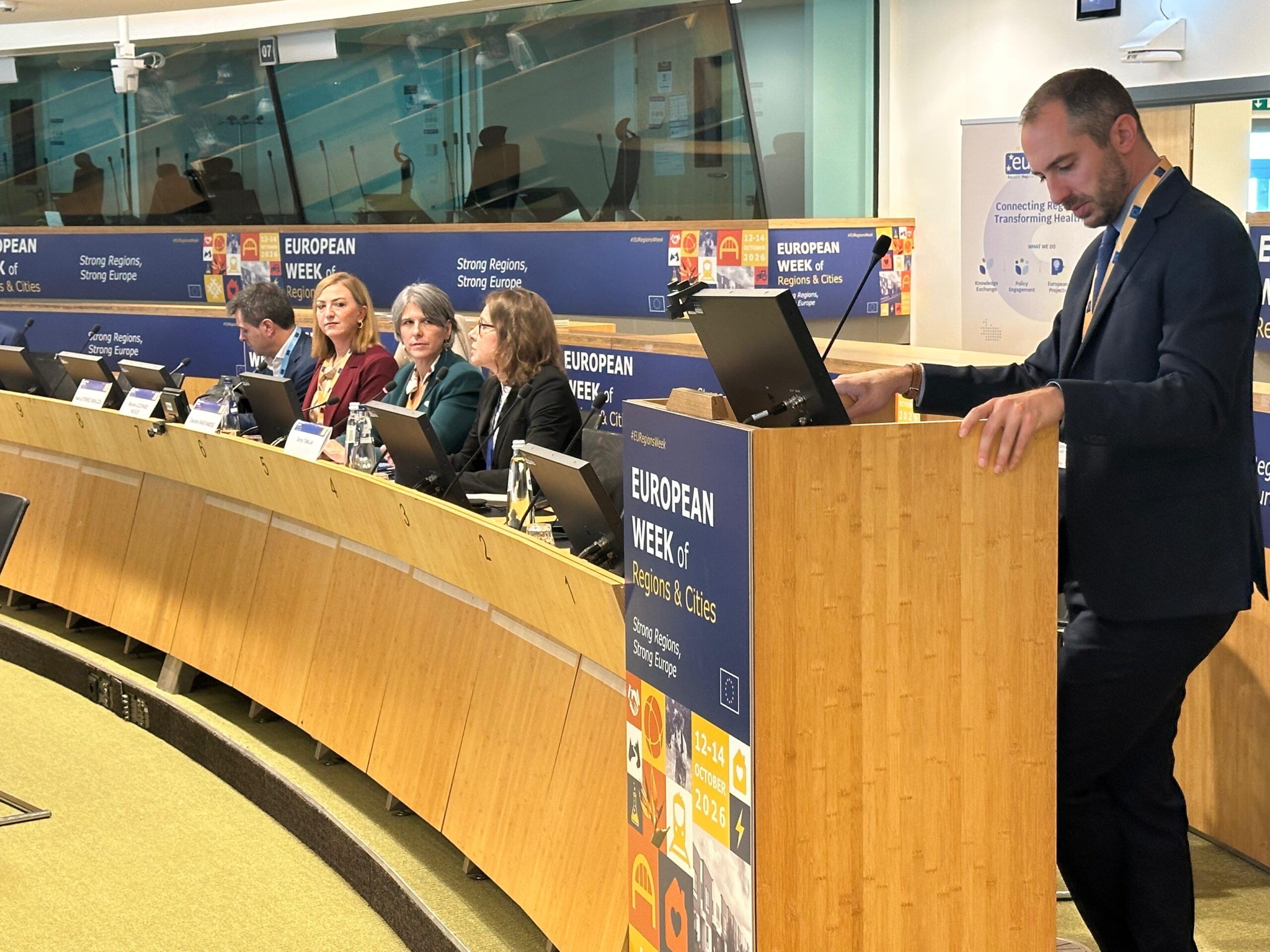
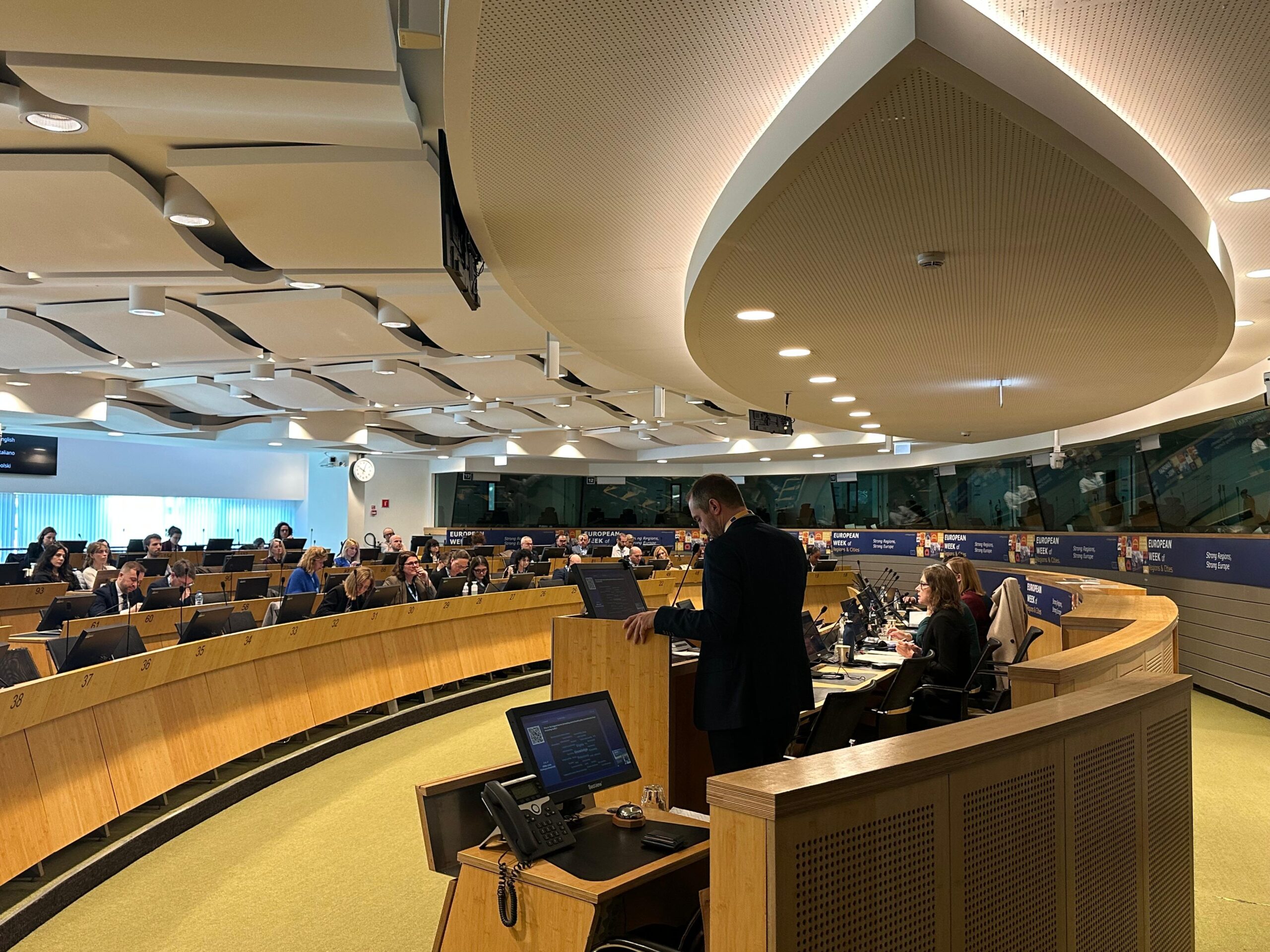
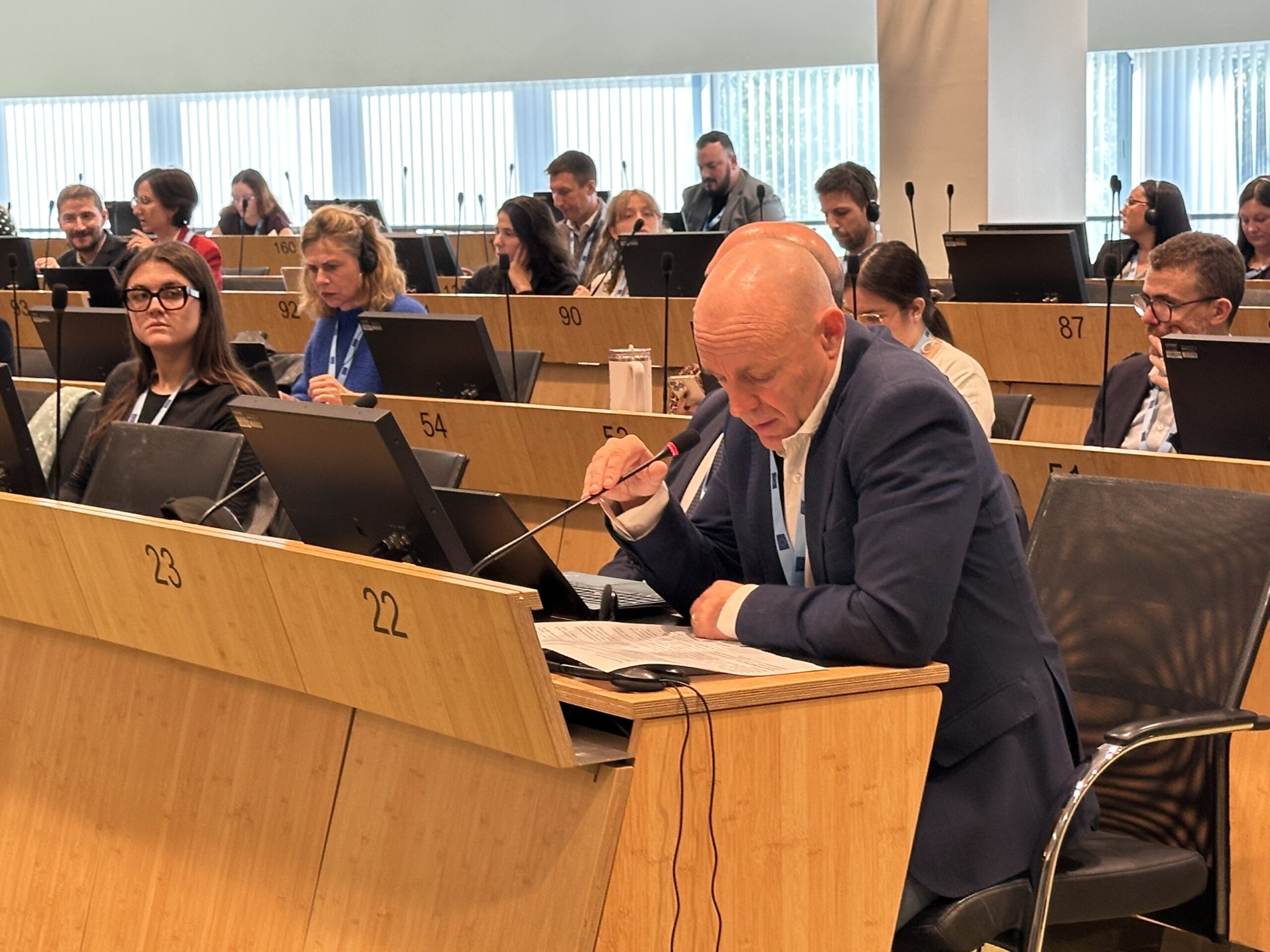
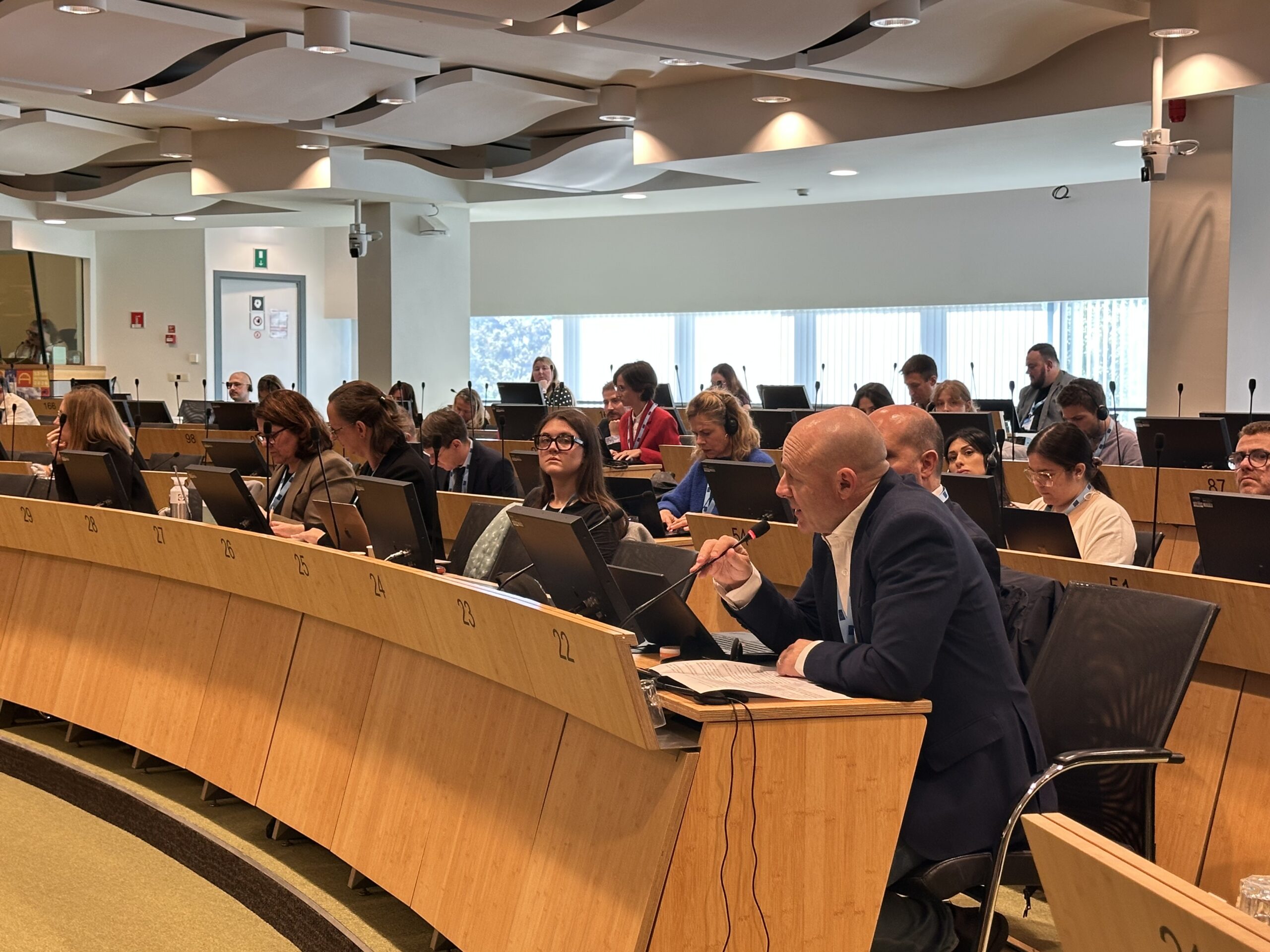
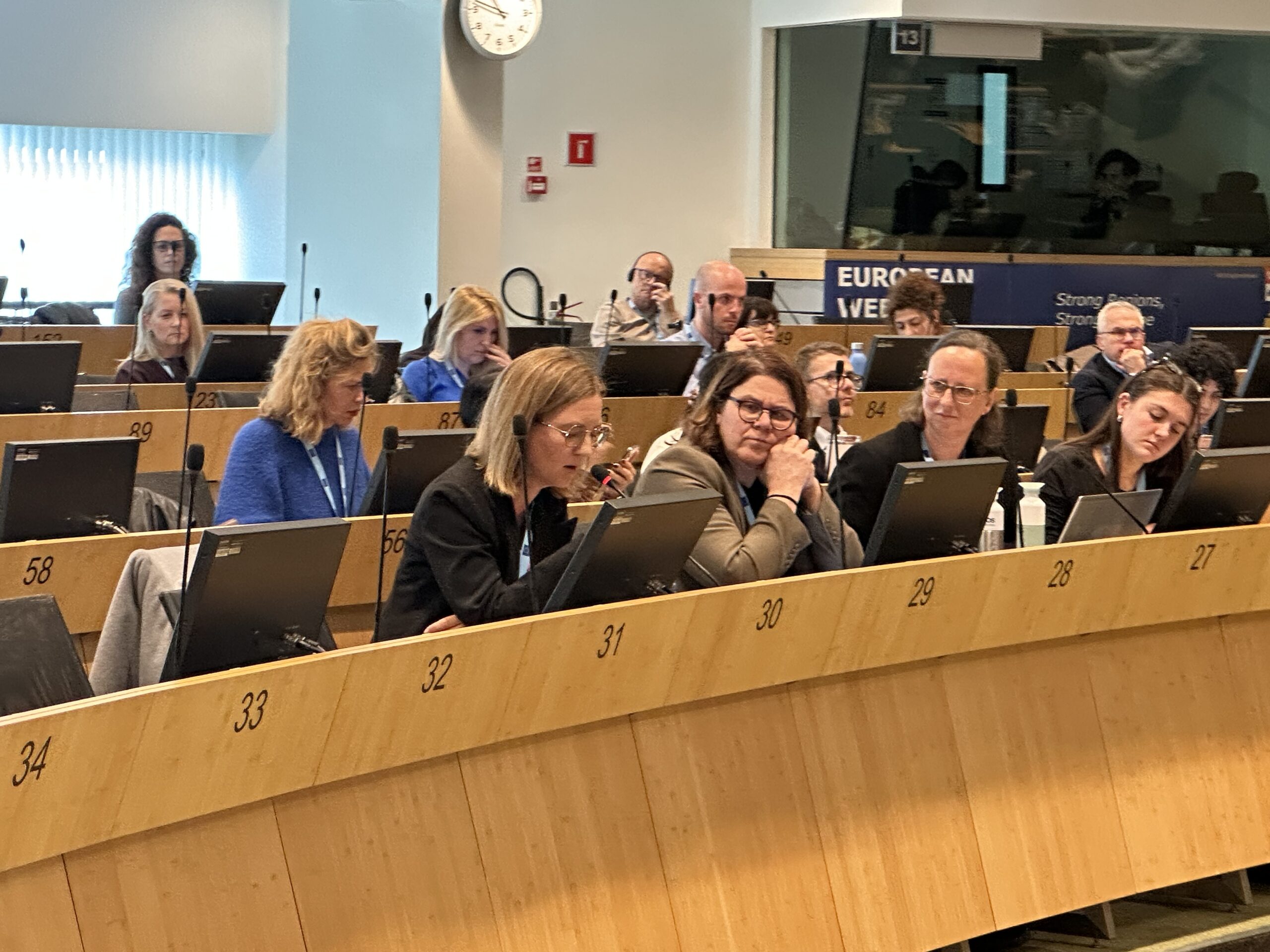
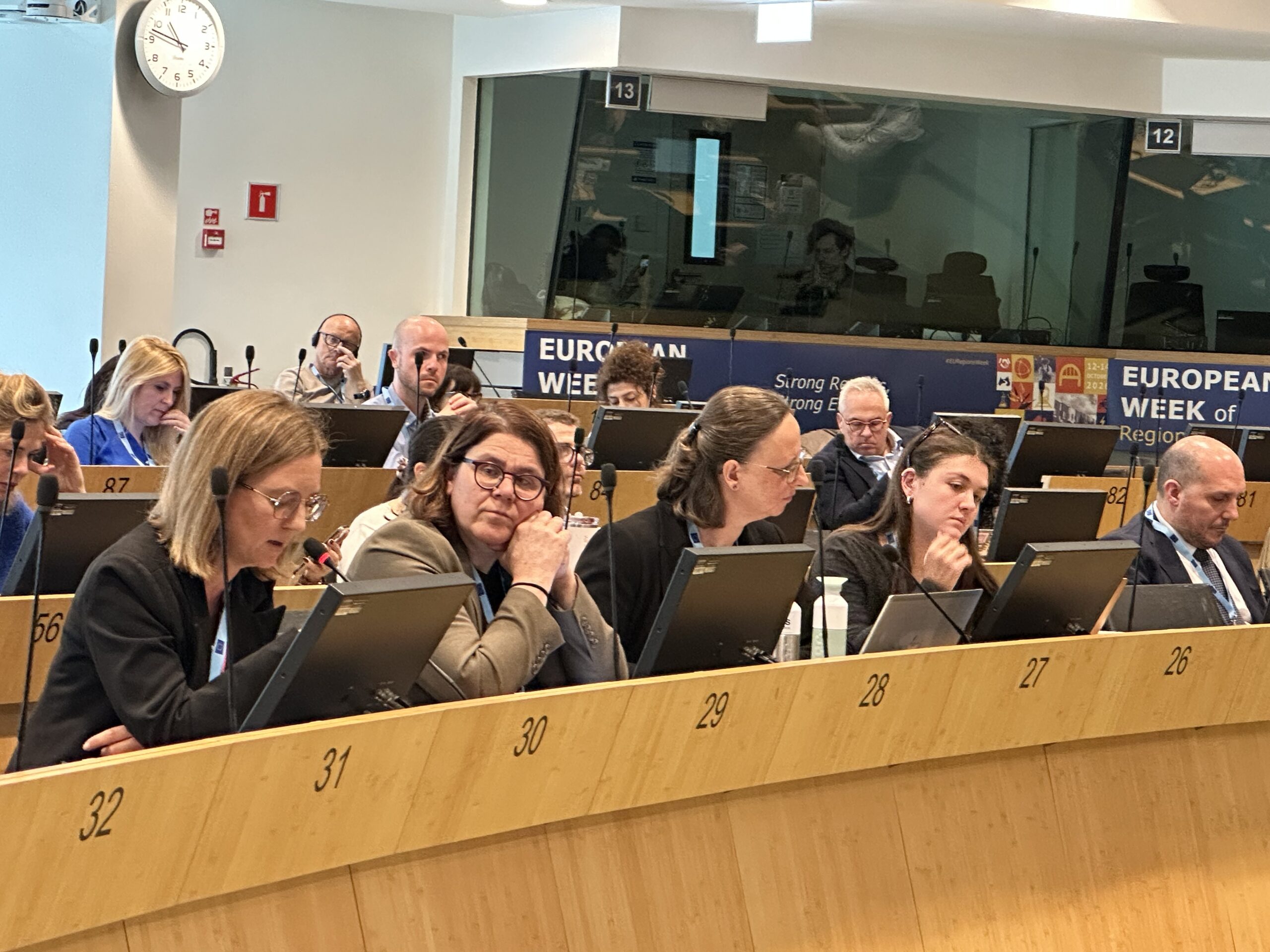
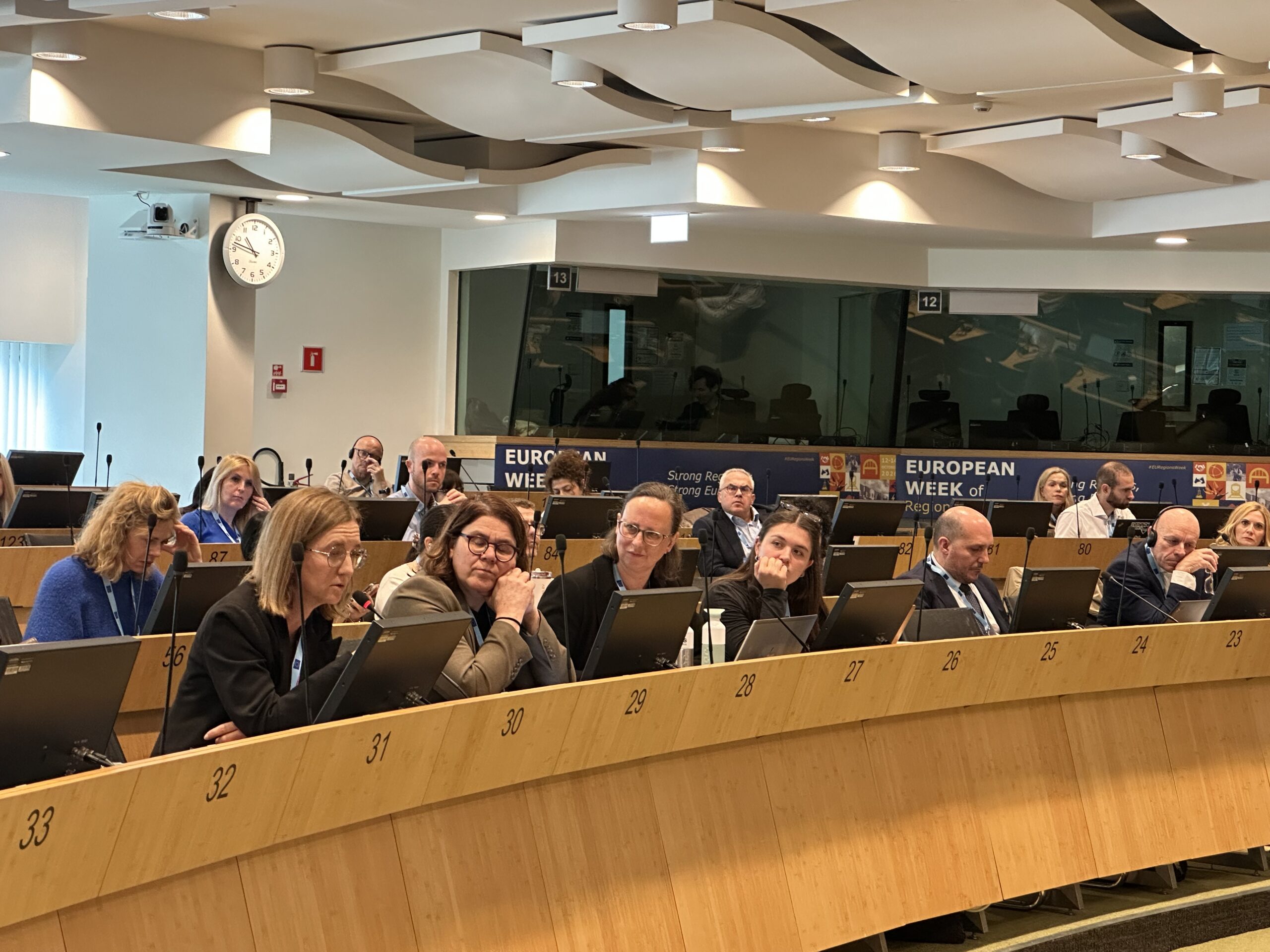
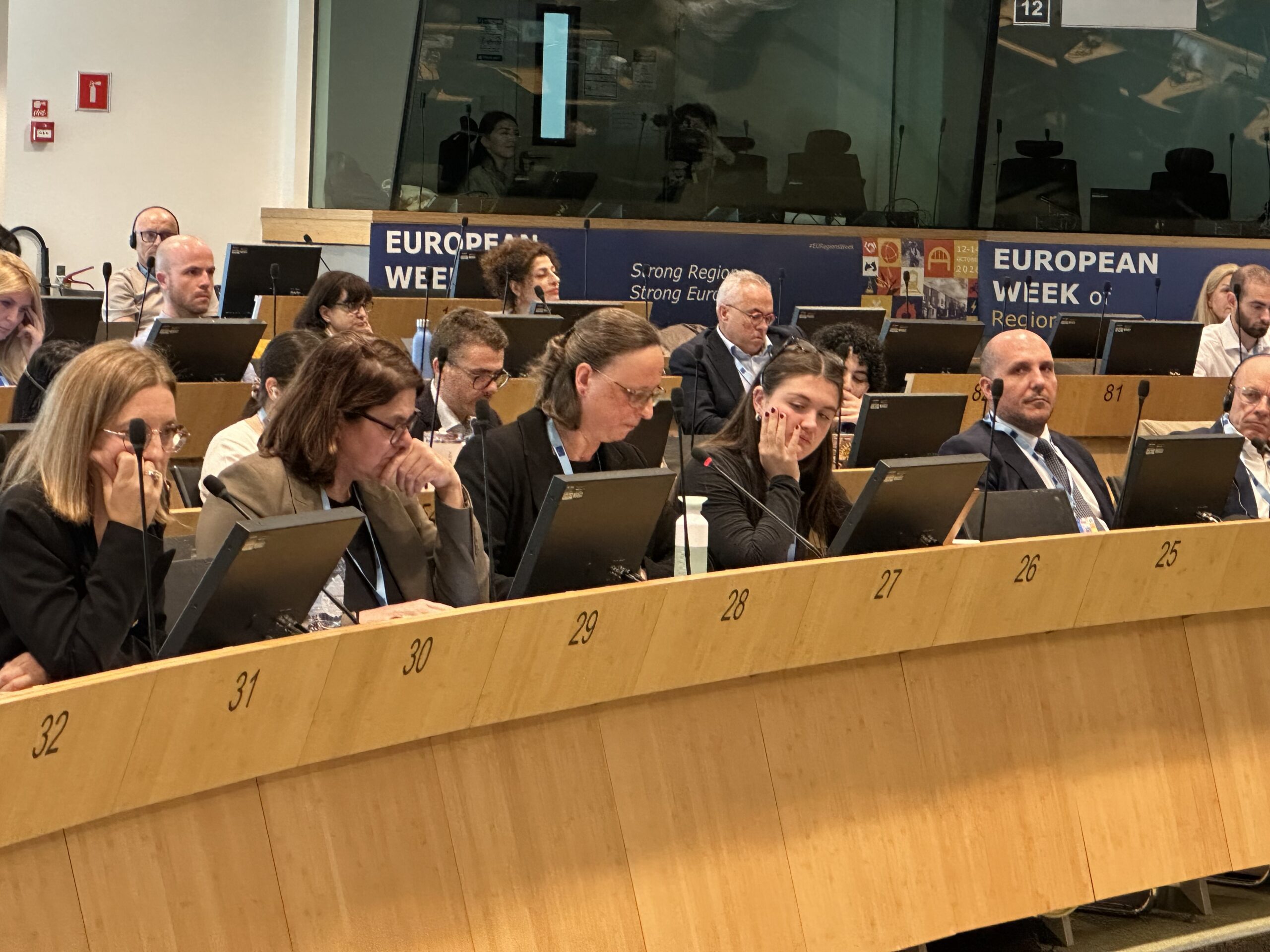
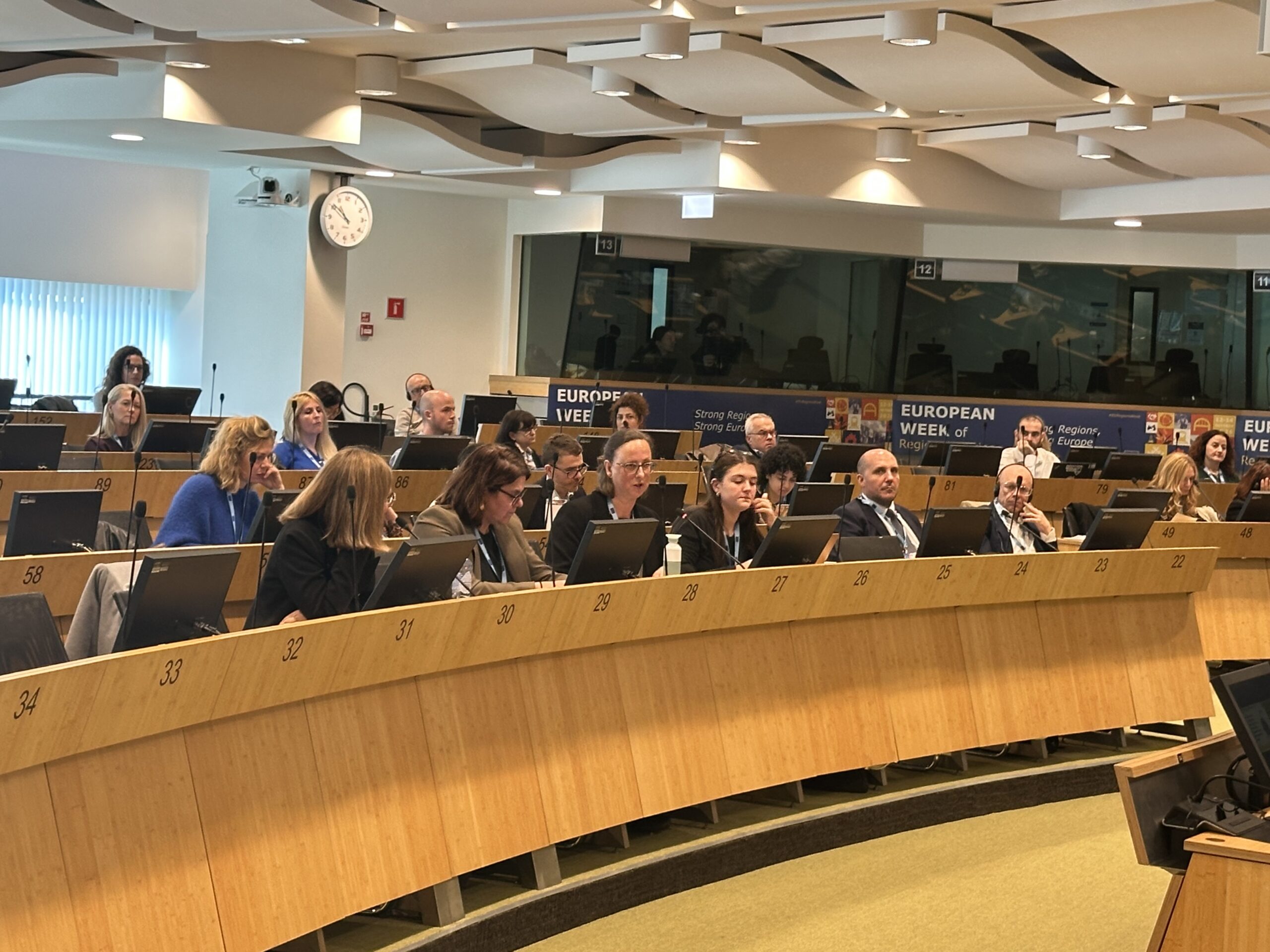
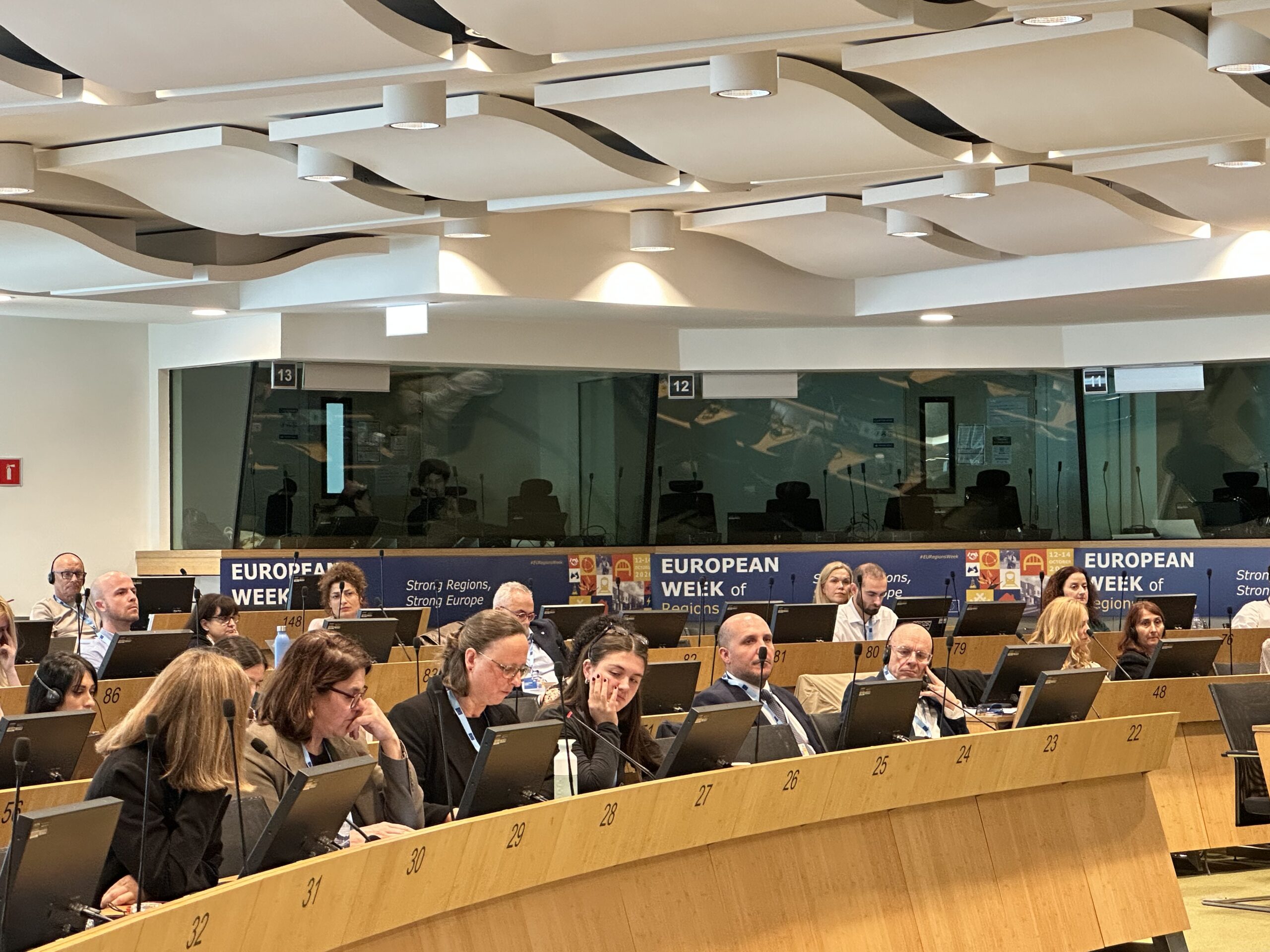
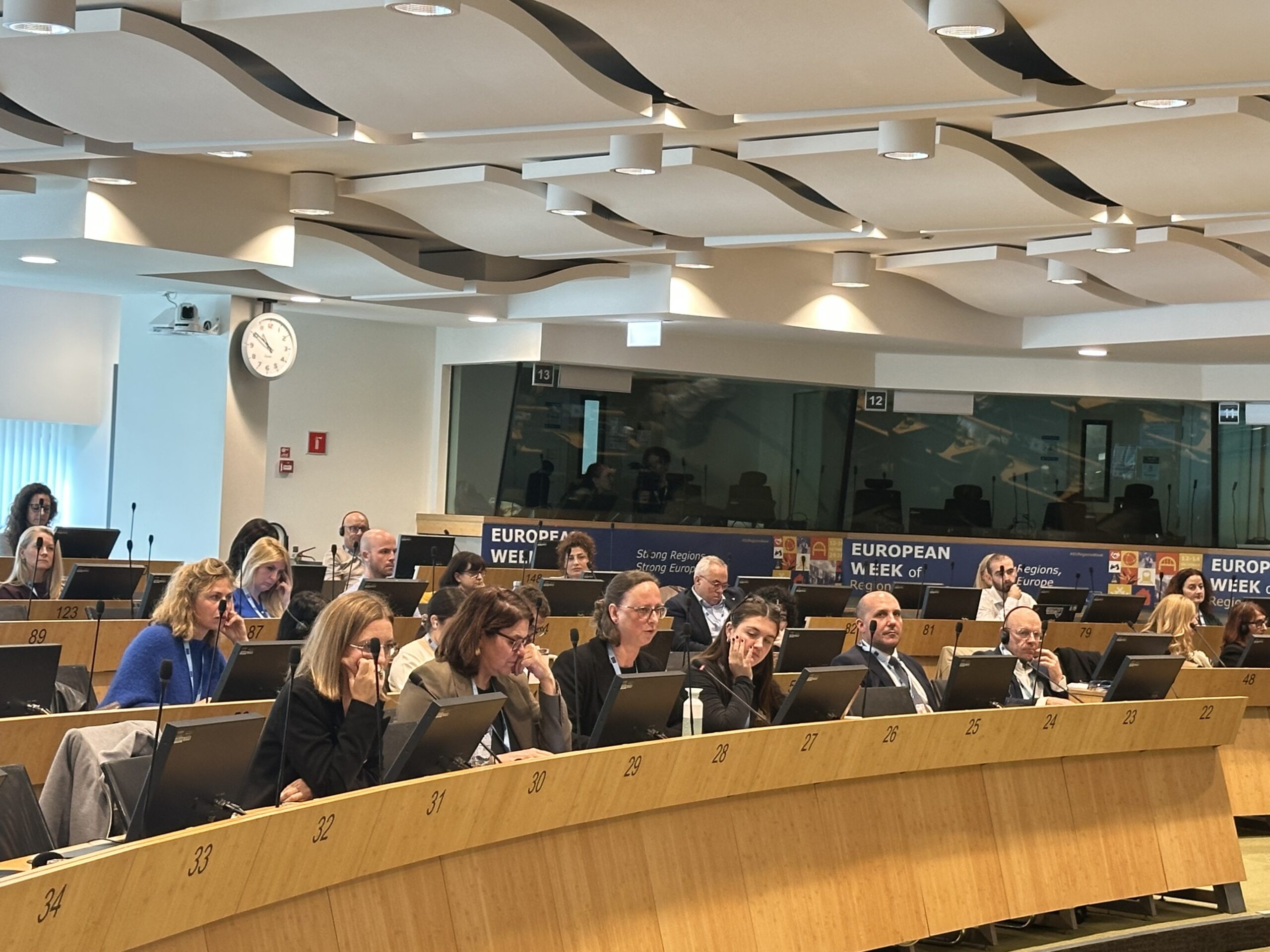
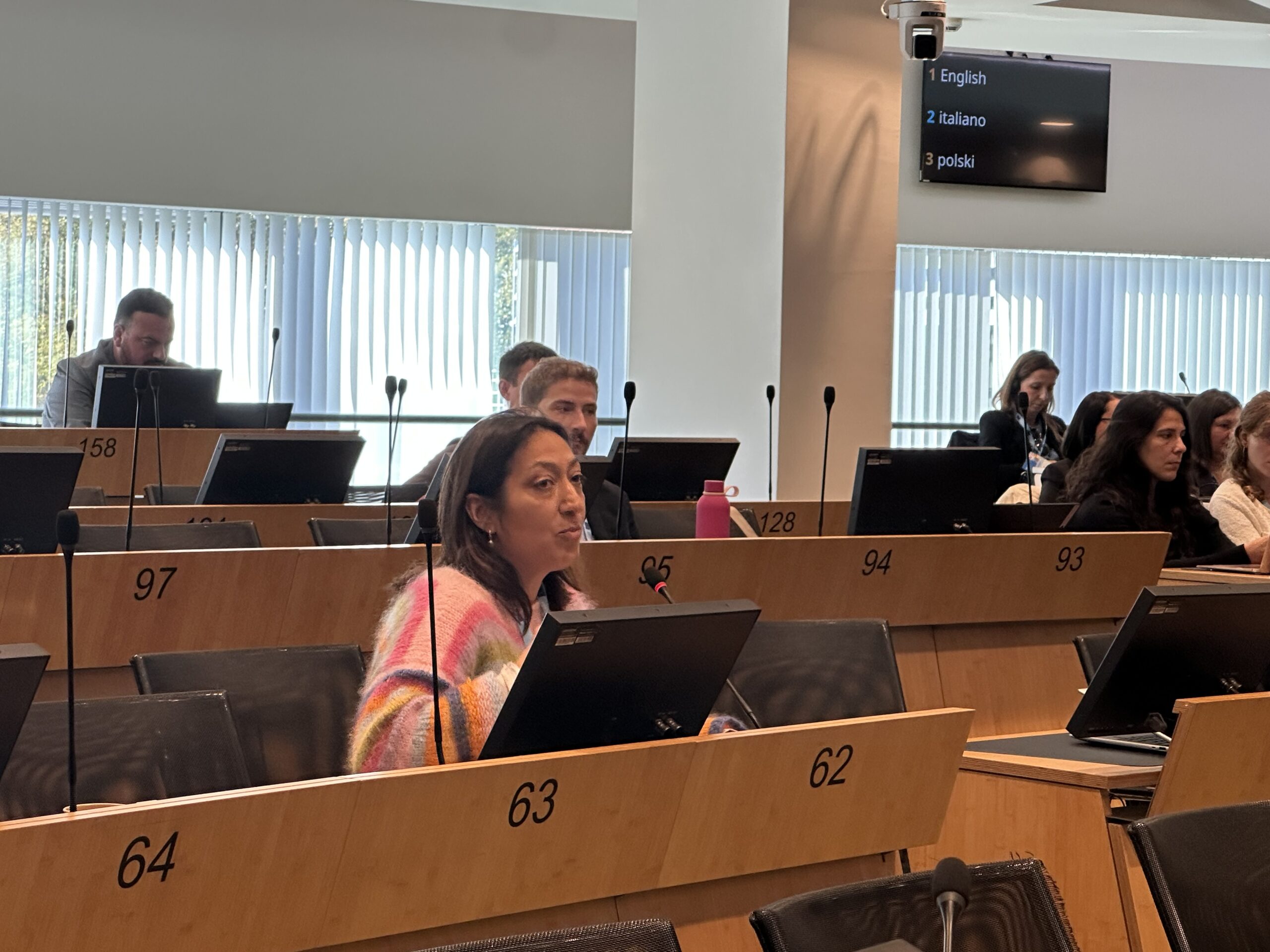
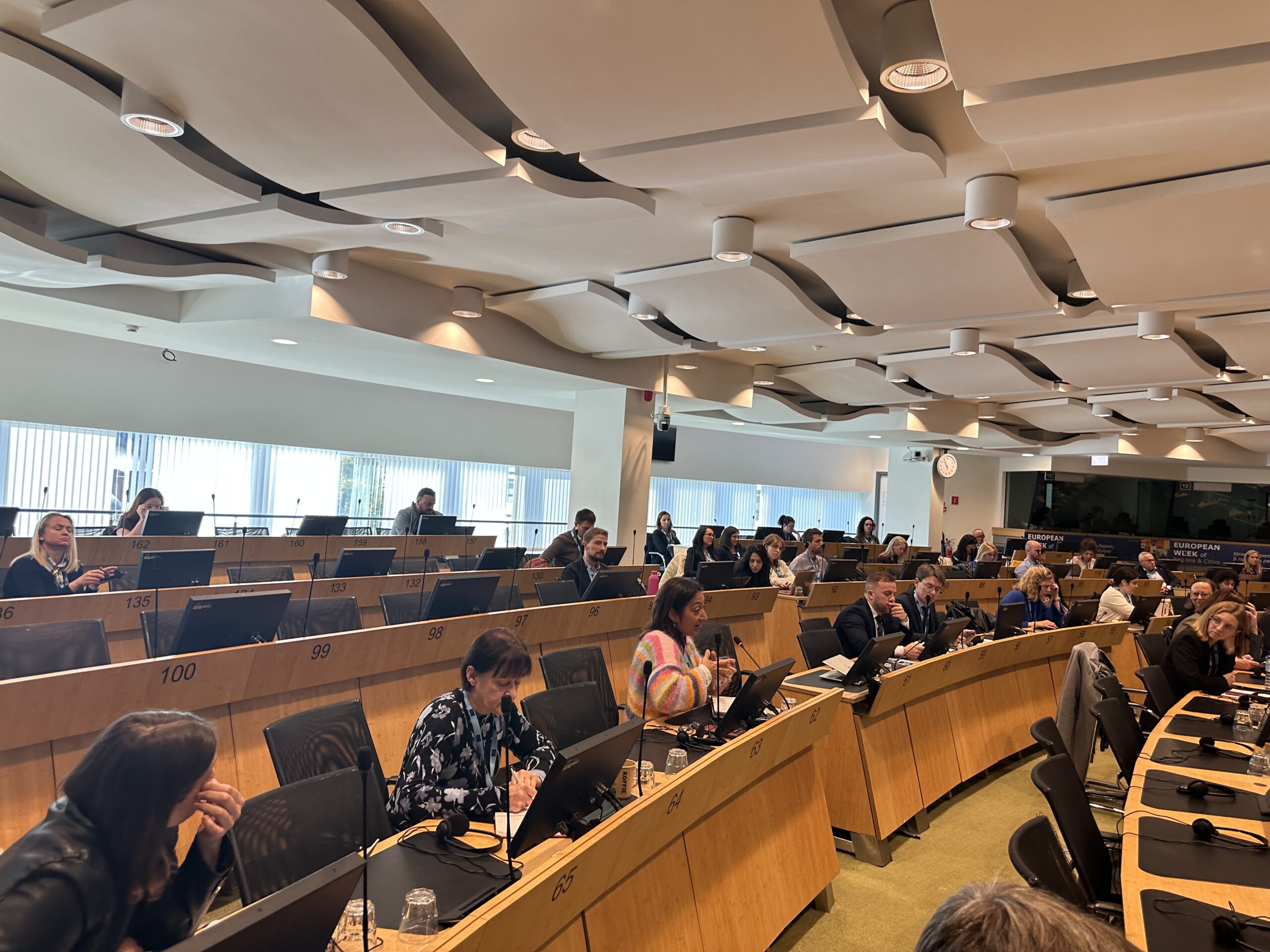
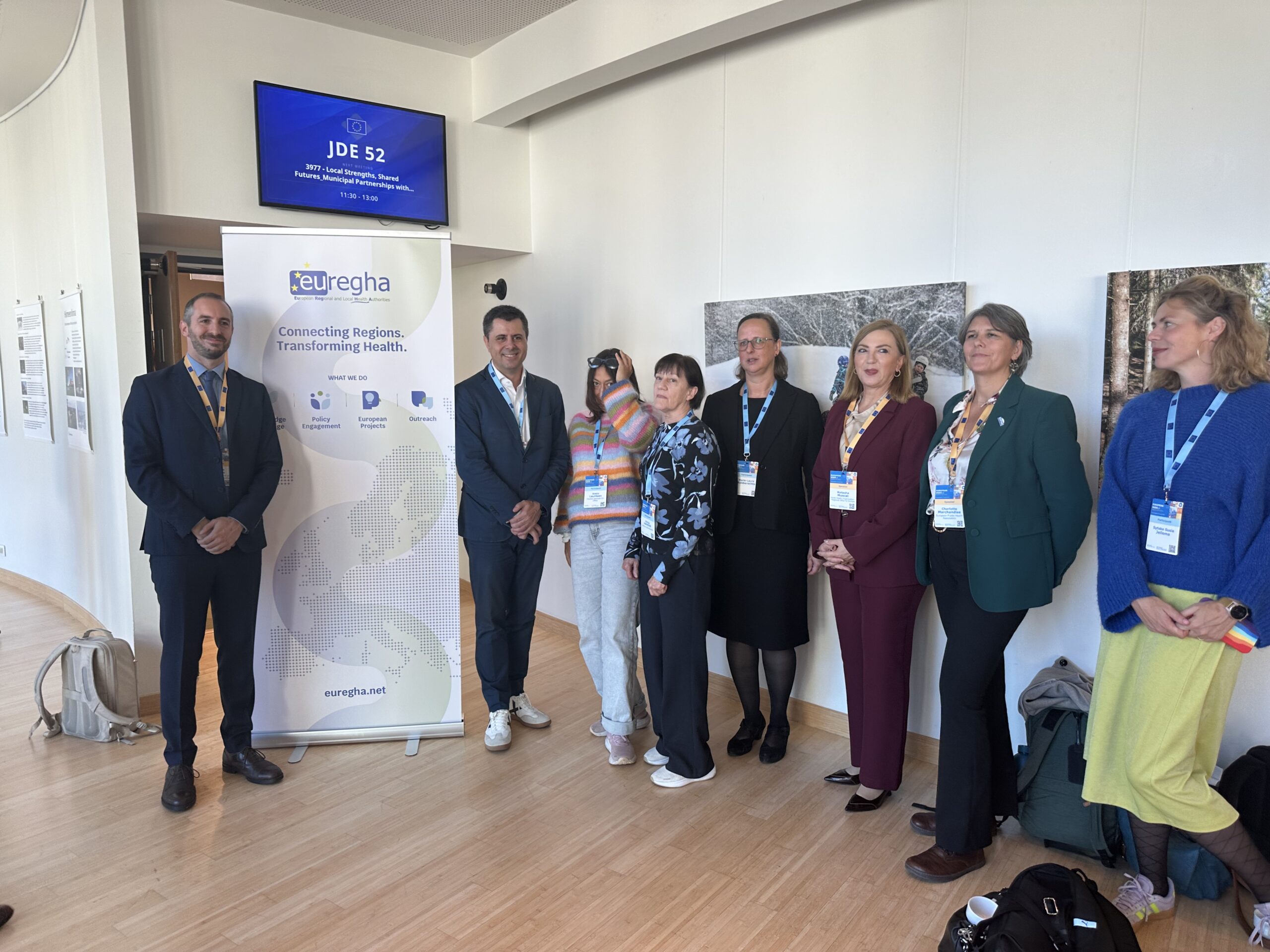
On Monday, 12 October, the European Week of Regions and Cities 2026 hosted a policy debate on how to advance more equitable, people-centred and community-based mental health systems across Europe. The session, co-organised by EUREGHA, the European Committee of the Regions’ NAT Commission, and the WHO Regional Office for Europe, focused on how regional and local authorities can translate mental health policy commitments into concrete action, address territorial inequalities and strengthen mental health services across Europe.
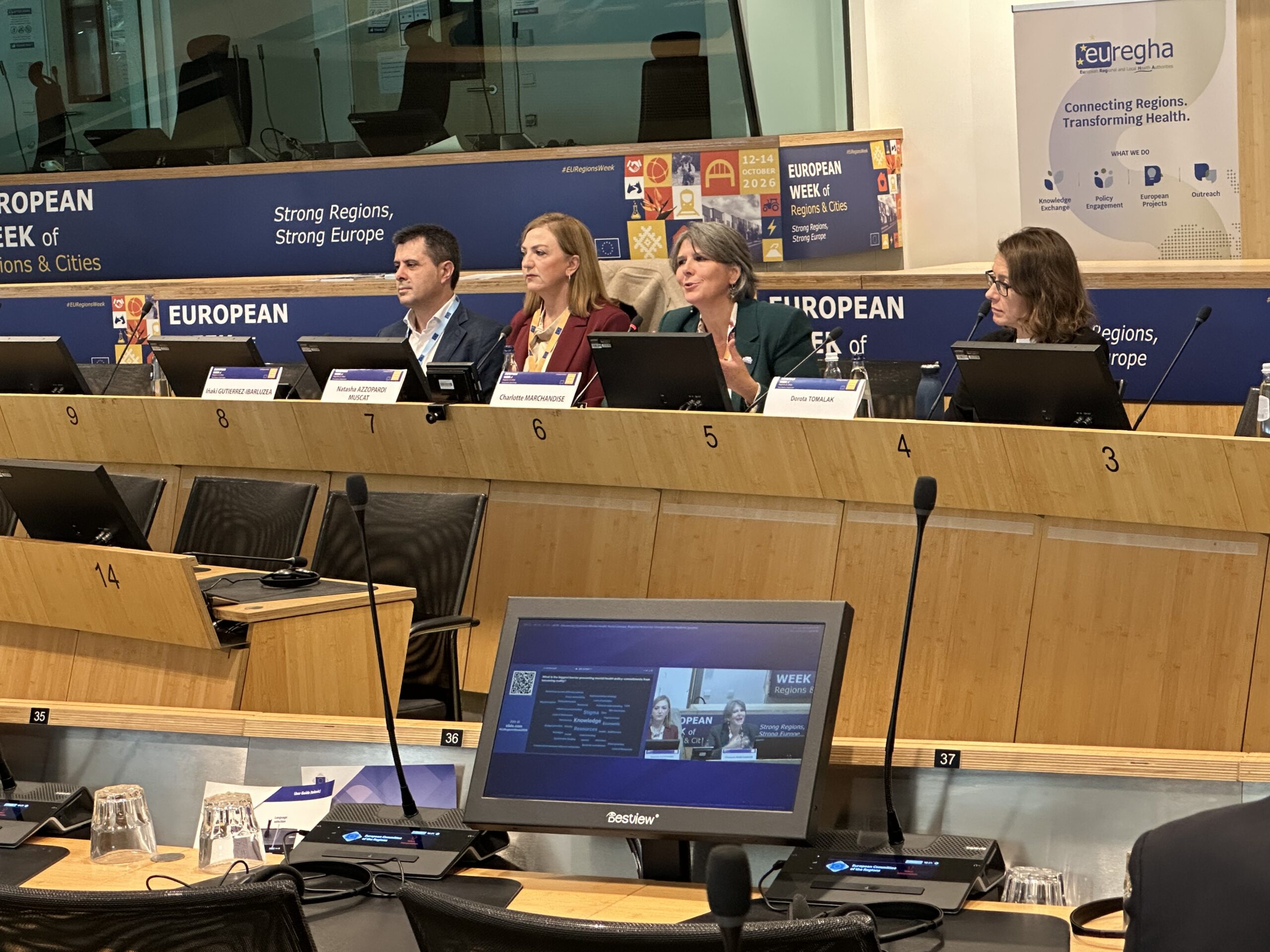
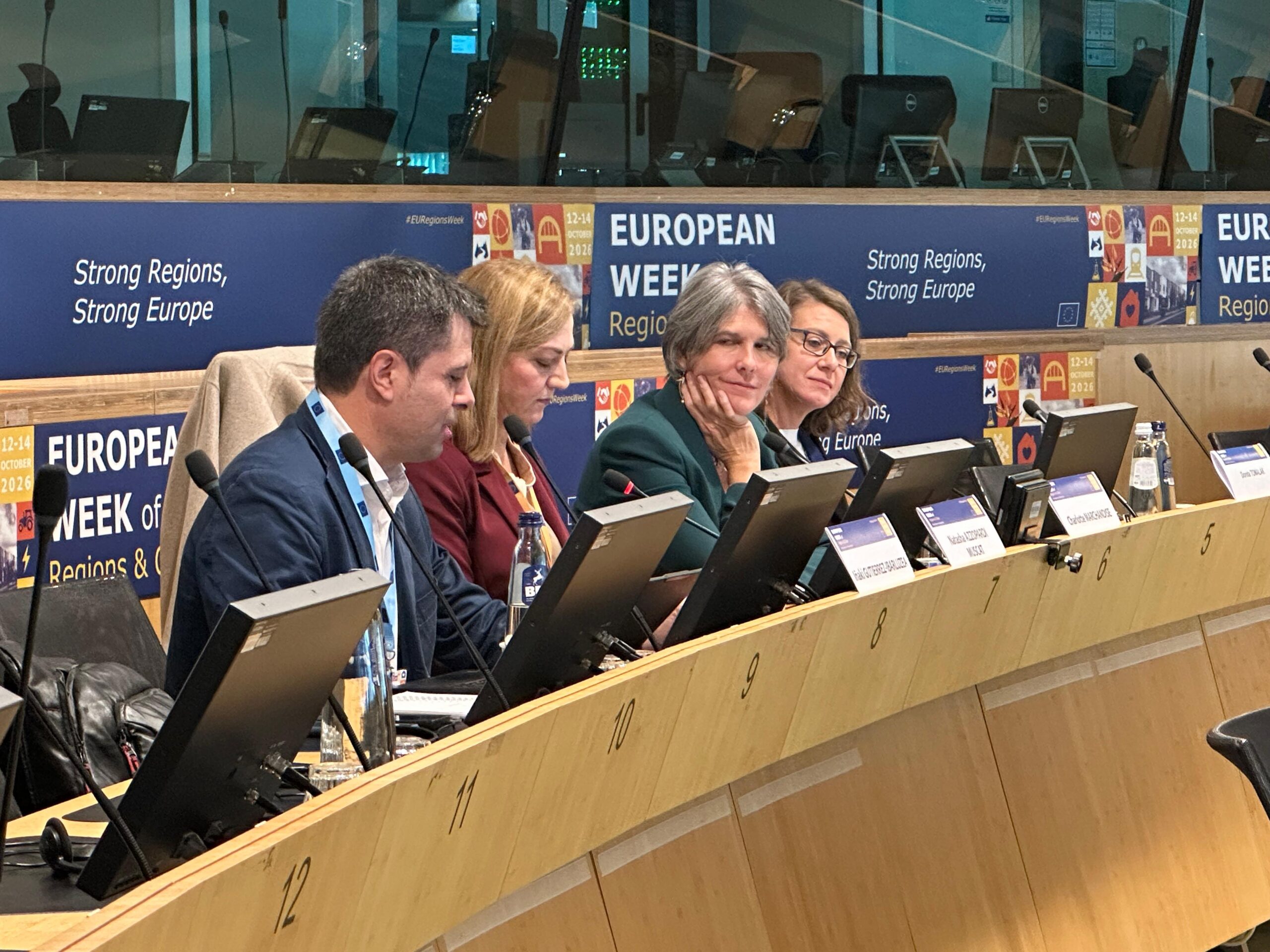
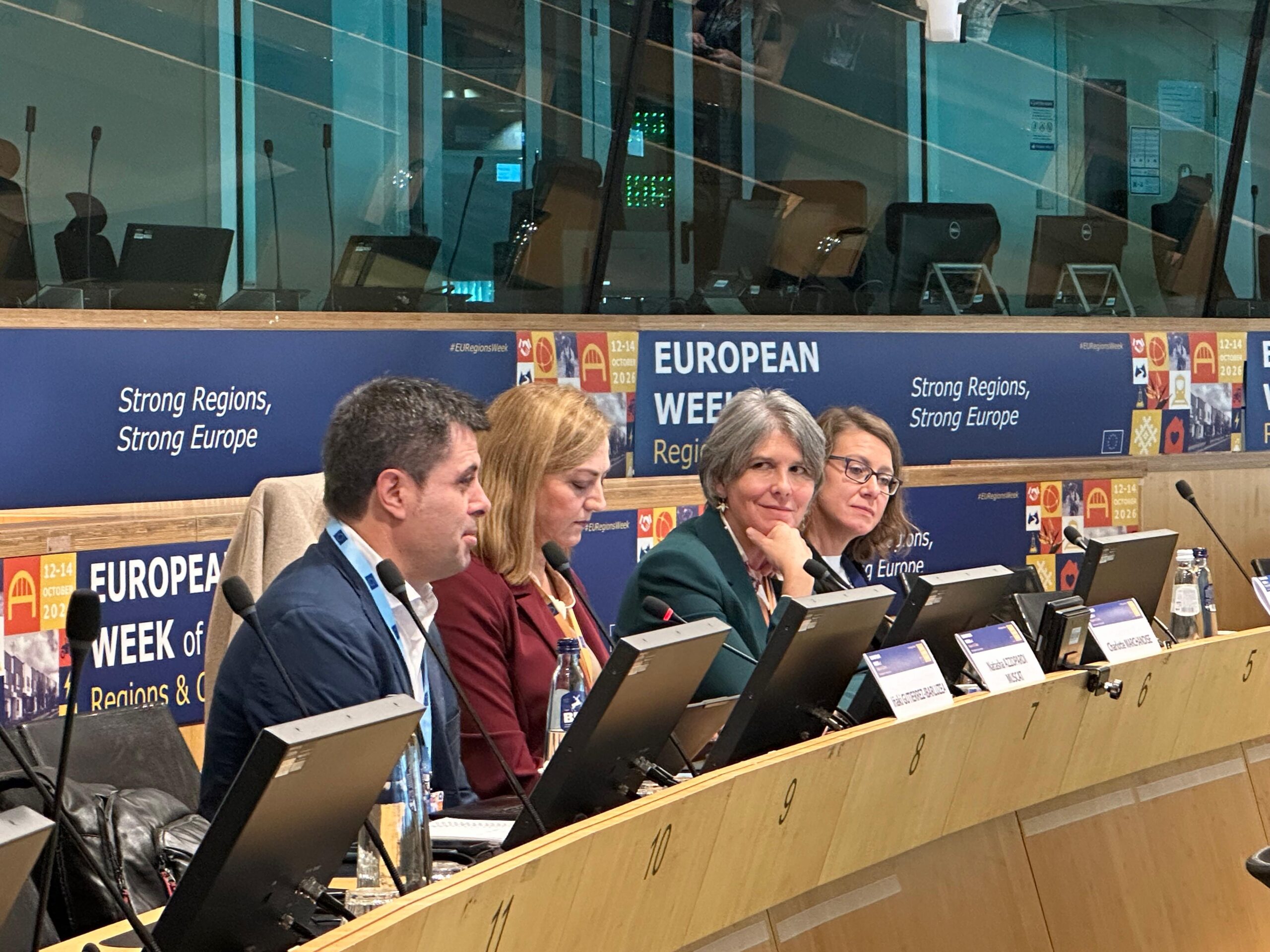
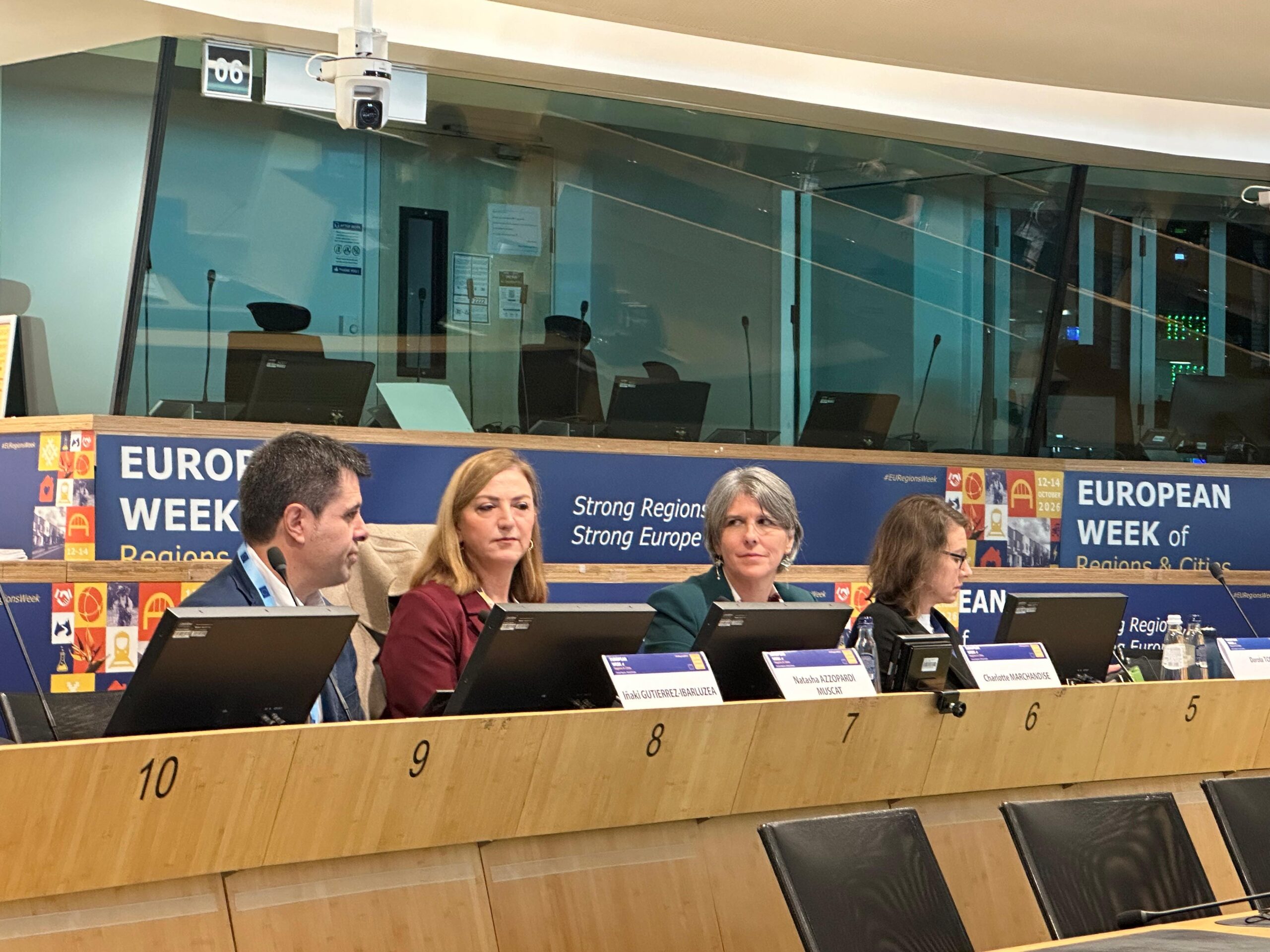
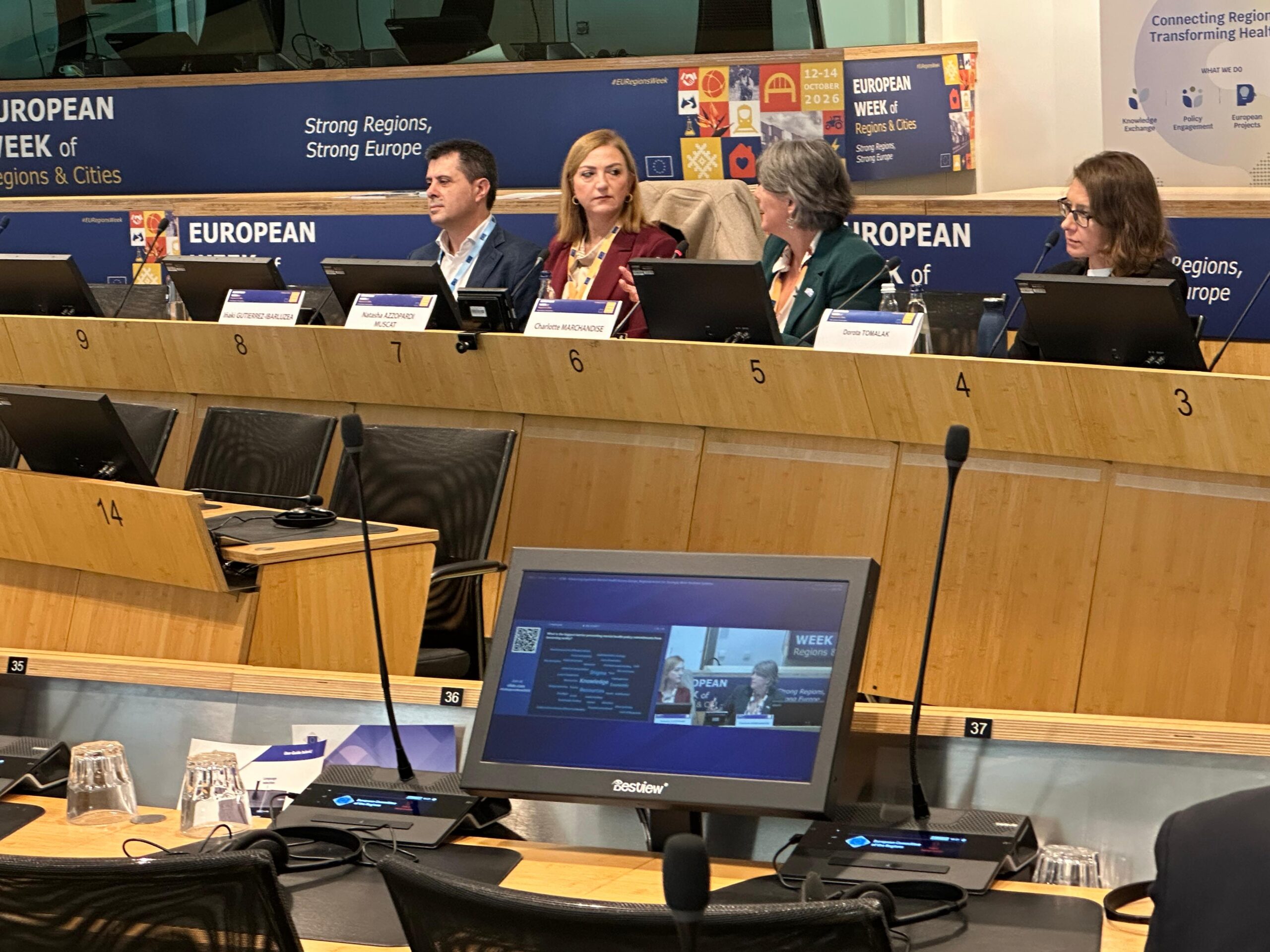
The debate featured a panel of high-level speakers from the WHO Regional Office for Europe, the European Committee of the Regions, the European Public Health Association (EUPHA) and the Basque Government, exploring the importance of coordinated governance, sustainable investment, research and community participation in improving mental health outcomes. Particular attention was given to women’s mental health and gender-related inequalities, as well as the wider social determinants affecting mental health across different communities and territories.
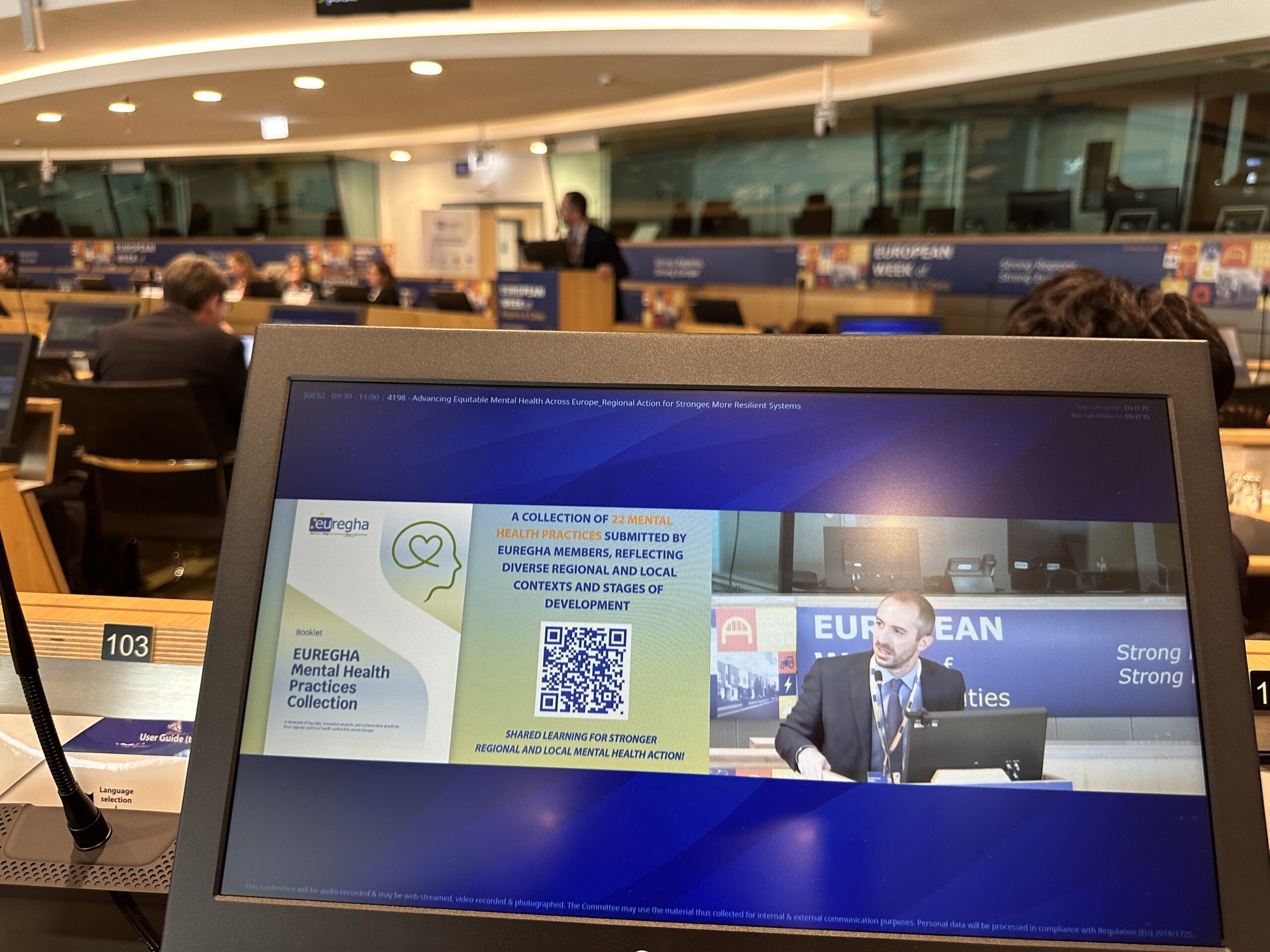
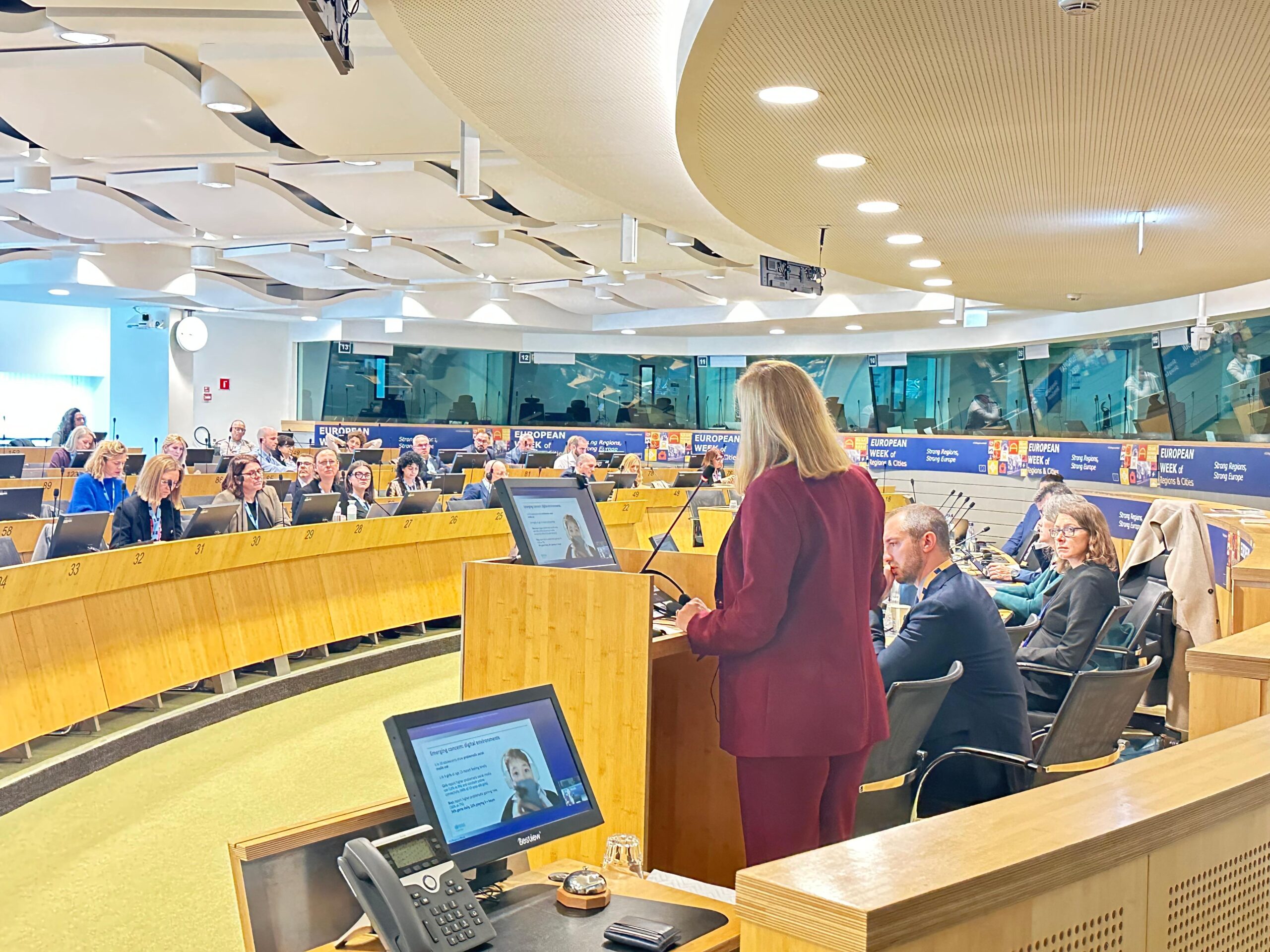
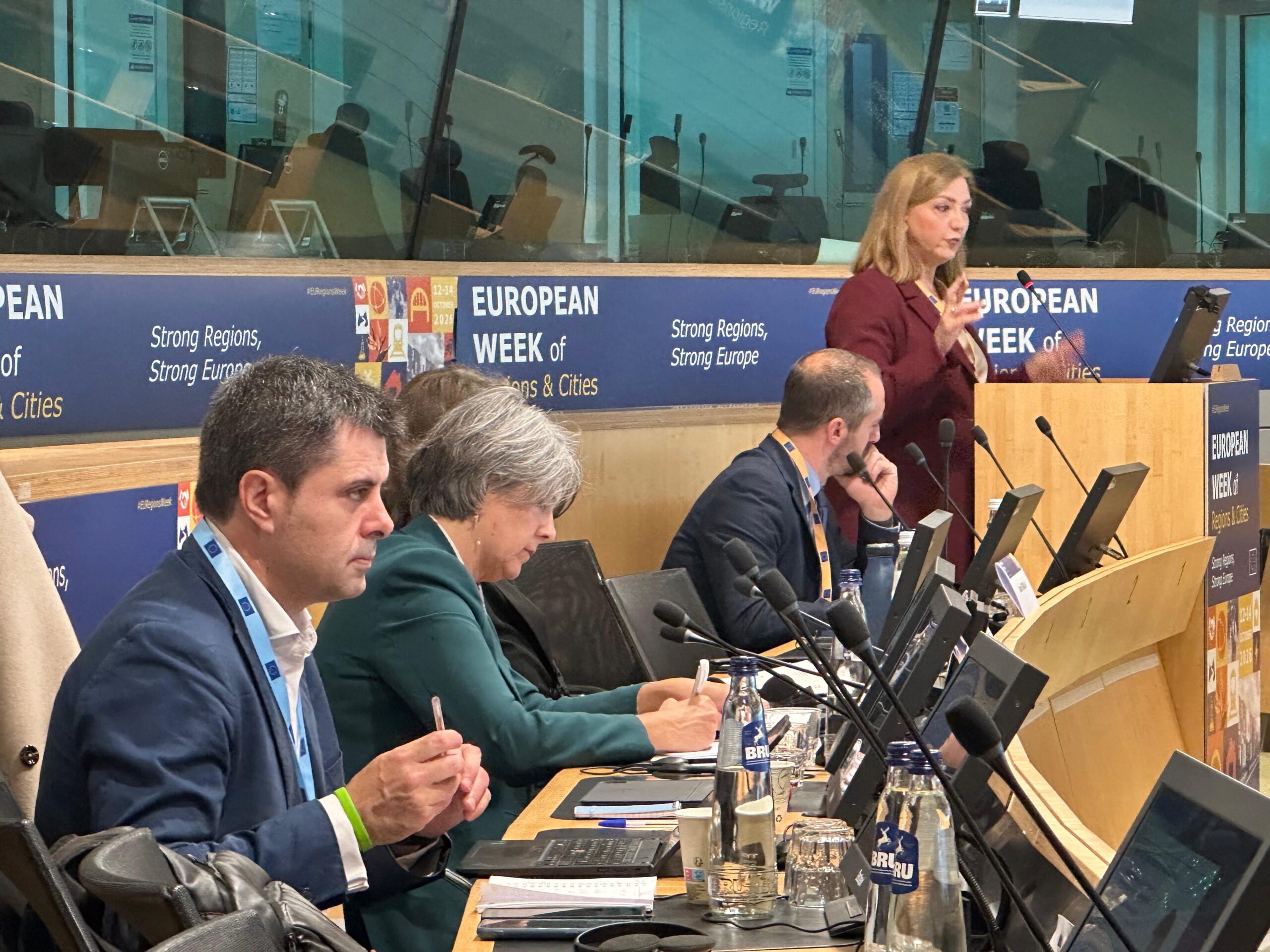
Moderated by Michele Calabrò, Executive Director of EUREGHA, the session included an opening keynote by Dr Natasha Azzopardi-Muscat, interactive polls, panel discussions and interventions showcasing concrete regional and local initiatives. The debate also provided an opportunity to present EUREGHA’s new publication collecting 22 mental health practices from across its membership, highlighting regional approaches, innovative solutions and lessons learned from implementation on the ground.
Opening the debate, Michele Calabrò welcomed participants and highlighted the importance of cooperation between European institutions, international organisations and regional and local authorities in bridging the gap between mental health policy commitments and implementation. The opening keynote by Dr Natasha Azzopardi-Muscat provided a European public health perspective on the challenges and opportunities for building more equitable, resilient and community-based mental health systems.
Speakers’ Highlights
- Dr Natasha Azzopardi-Muscat (Director of the Division of Country Health Policies and Systems, WHO Regional Office for Europe): “Mental health resilience is critical to societal resilience, and this message must be heard not only from WHO, but also from politicians, employers and educators. We must also ensure that mental health policies respond to gender inequalities and the specific needs of girls and women.”
- Dorota Tomalak (Deputy Head of Unit, Secretariat of the Commission for Natural Resources – NAT, European Committee of the Regions): “Mental health is not the poor cousin of regular health. It is part of our being, of our well-being, and it has to be addressed as such. We need to bring this awareness to the political level and ensure that mental health remains a priority, including when decisions are made on future European funding.”
- Iñaki Gutierrez Ibarluzea (Director of Health Research, Innovation and Evaluation at the Basque Government’s Ministry of Health and Chair of EUREGHA): “It is not the healthcare system alone that will solve our mental health challenges, but a societal commitment. For that, we need consensus at regional level on our priorities and how to address them collectively. The real challenge is translating evidence into concrete action that responds to the needs of our communities.”
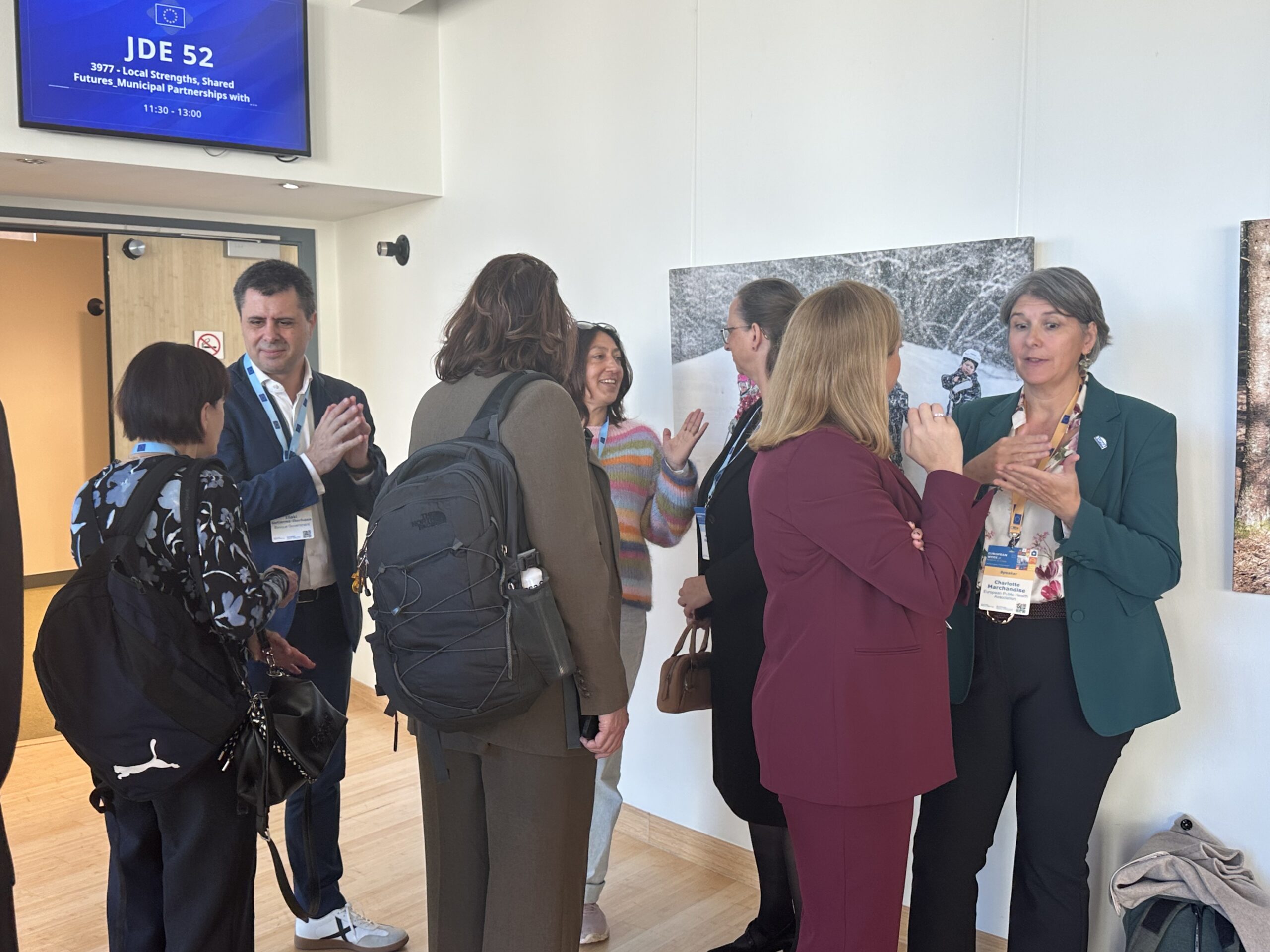
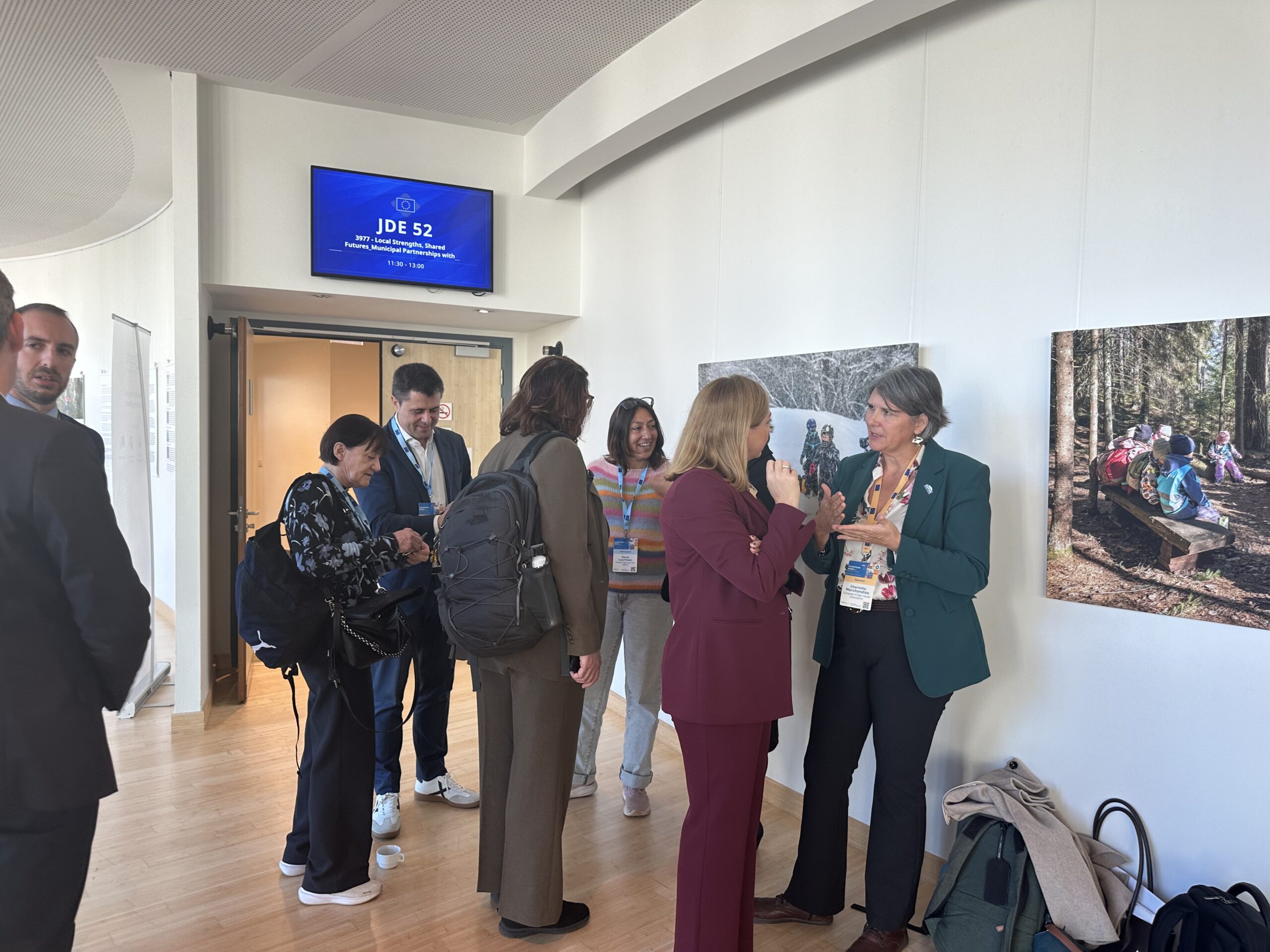
- Charlotte Marchandise (Executive Director, European Public Health Association – EUPHA): “How can I feel good if I have no housing? If my school has no roof? If nobody listens to me, or if I feel discriminated against and worthless in society? This is why we need Health in All Policies. It is also about using our budgets better, working across sectors and involving communities meaningfully in the decisions that affect them.”
- Giorgio Martinelli (Italian National Health Equity Programme 2021–2027 – PNES): “Equity does not mean offering everyone the same services, but ensuring that each region has the support and tools they need to address their specific challenges. Through personalised therapeutic and rehabilitation pathways, we can go beyond clinical care, supporting people’s autonomy, social inclusion and participation in their communities.”
- Mara Barcella (Director of the Mental Health Department, ASL Asti, Piemonte, Italy): “We hope that the ASTI experience can contribute to a wider European discussion on how to make youth mental healthcare more effective, inclusive and connected to the communities where young people live.”
- Marie-Laure Robberechts (International Policy Team, Flemish Government Department of Care): “Effective collaboration requires more than good intentions. It depends on trust, shared objectives, continuous dialogue, institutional support and adequate resources. By strengthening collaboration and creating greater policy coherence, we can build a more integrated approach to promoting mental health and well-being for all citizens.”
- Michele Calabrò (Executive Director of EUREGHA): “With the launch of EUREGHA’s new living collection of 22 regional and local mental health practices, we aim to go beyond knowledge-sharing, highlighting common challenges, innovative approaches and lessons learned to support more effective and equitable mental health policies across Europe.”
Following 𝗪𝗼𝗿𝗹𝗱 𝗠𝗲𝗻𝘁𝗮𝗹 𝗛𝗲𝗮𝗹𝘁𝗵 𝗗𝗮𝘆 on 10 October, EUREGHA was pleased to launch yesterday its 𝗠𝗲𝗻𝘁𝗮𝗹 𝗛𝗲𝗮𝗹𝘁𝗵 𝗖𝗼𝗹𝗹𝗲𝗰𝘁𝗶𝗼𝗻 𝗼𝗳 𝗣𝗿𝗮𝗰𝘁𝗶𝗰𝗲𝘀 during our #EURegionsWeek policy debate on advancing equitable mental health across Europe.
The collection brings together 22 practices submitted by EUREGHA members, showing how regions and local authorities are advancing mental health through prevention, support for young people, integrated community care, workforce development and cross-border cooperation. It is also a living resource: one that makes space for shared learning, new examples and continued exchange as our network grows and implementation progresses.
The message from yesterday’s discussion was clear: regions are where mental-health policy becomes part of people’s everyday lives. By sharing practical experience, we can help turn ambition into more equitable, people-centred and community-based systems.
related posts


