Shaping the Next EU Long-term Budget for Health and Regions IRGHW Meeting – 10 Dec 2025

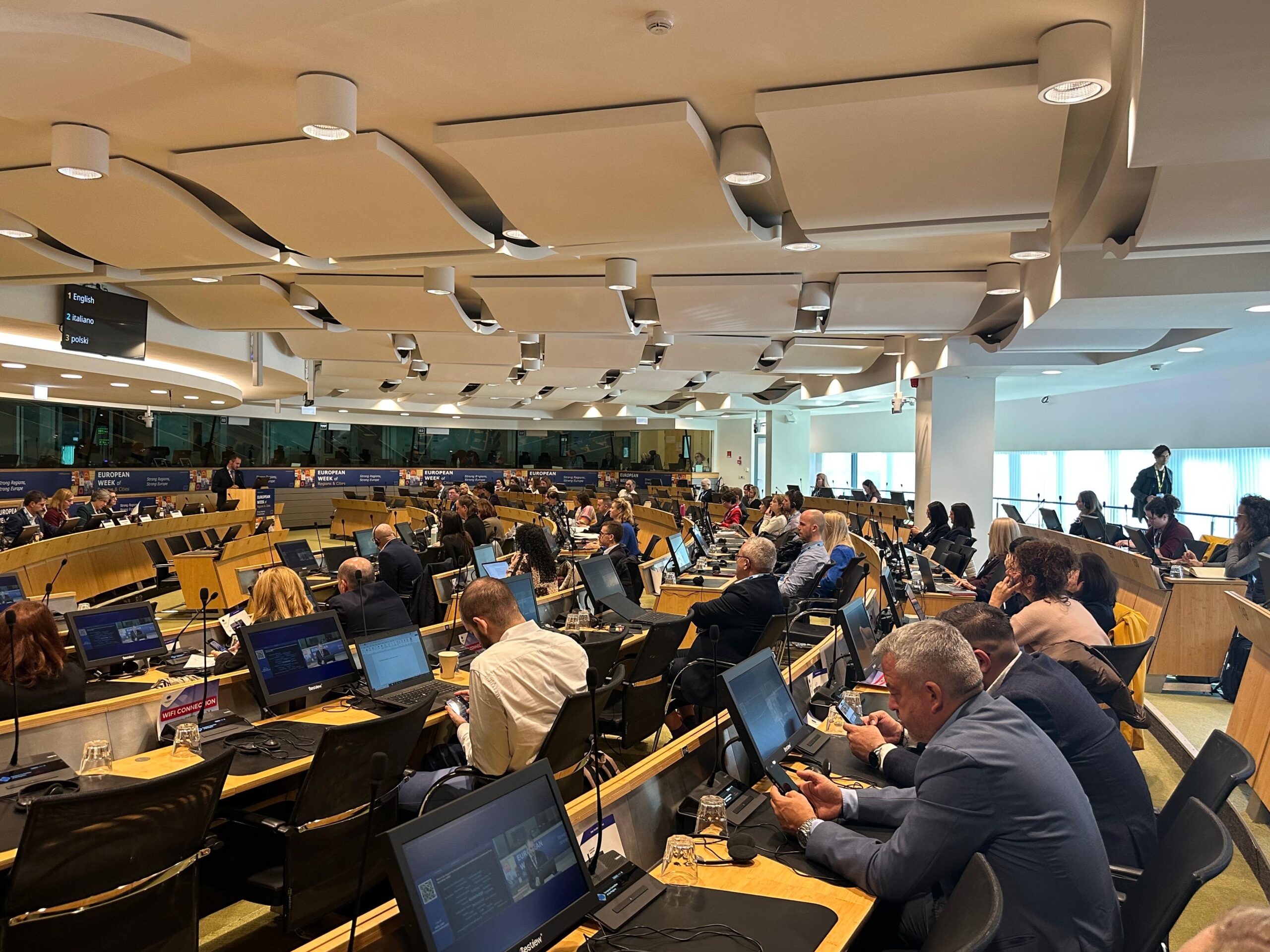
The European Committee of the Regions’ Interregional Group on Health and Well-being (IRGHW) met on 10 December 2025 to discuss the future of EU investment in health and regions under the next Multiannual Financial Framework (MFF). The meeting, titled “Shaping the Next EU Long-term Budget for Health and Regions”, built on earlier exchanges held during the European Week of Regions and Cities and focused on how regions can meaningfully shape and implement EU health and public health policies beyond 2027. The session was supported by EUREGHA, which acts as Secretariat of the Interregional Group.
Opening the meeting, Chair Birgitta Sacrédeus recalled that while EU-level decisions define strategic priorities, it is local and regional authorities that translate them into action. She underlined that the design and governance of future EU funding instruments must therefore fully recognise regions as key actors in implementation, particularly in the health field.
The CoR Perspective: Regions as Genuine Partners in the Future MFF
Speaking on behalf of Sari Rautio (FI/EPP), Rapporteur of the Committee of the Regions’ Opinion on the MFF post-2027, Annukka Mäkinen, Development Manager at the Association of Finnish Local and Regional Authorities, presented the main messages of the CoR Opinion on the MFF 2028–2034.
Ms Mäkinen stressed that the debate on the next MFF is not only about financial allocations, but also about democracy, trust and cohesion within the European Union. She warned that a shift away from regional programmes towards more centralised national plans could undermine cohesion policy, multilevel governance and citizen confidence in the European project.
Referring to the CoR Resolution on the MFF 2028–2034 adopted in October 2025, she recalled the Committee’s call for a revision of the Commission proposal, the preservation of place-based policies and strong involvement of local and regional authorities. While welcoming adjustments announced by the European Commission in November 2025 regarding competitiveness-related budget headings, she noted that further clarification and binding legal guarantees remain necessary.
A central element of the Opinion is the introduction of effective regional checks and safeguards to ensure that local and regional authorities are fully involved in the preparation, implementation and evaluation of future National and Regional Partnership Plans. Ms Mäkinen also highlighted the need to apply the “do no harm to cohesion” principle across all EU funds and programmes, ensuring that simplification and flexibility benefit end users without weakening the partnership principle.
Cohesion policy, she emphasised, remains a cornerstone of European solidarity and competitiveness. Major EU priorities—including security, sustainability, competitiveness and the green transition—can only be delivered effectively at local and regional level. In this context, she underlined the importance of placing subsidiarity and partnership on a firmer legal footing, alongside predictable funding, clear eligibility rules for all regions and a stronger role for EU own resources.
Regional and Stakeholder Perspectives: Health, Cohesion and Competitiveness
The open debate brought together regional networks, health stakeholders and CoR members to reflect on how regions can be better empowered to access, combine and implement EU funding for resilient and equitable health systems.
Representing the EURegions4Cohesion Alliance, Aki Ishiwa (Regione Emilia-Romagna Brussels Office) outlined the alliance’s advocacy work in response to concerns about the nationalisation of cohesion policy. She highlighted its engagement with EU institutions, its call for guaranteed funding and a stronger regional role, and its growing membership across Member States.
From the perspective of the European Regions Research and Innovation Network (ERRIN), Kyle Galea emphasised the strategic role of regions in building research and innovation ecosystems, particularly in health and digital domains. He pointed to the importance of EU-level programmes and infrastructures in reducing fragmentation, supporting interoperability and strengthening collaboration across regions.
Speaking on behalf of EuroHealthNet, Silvia Ganzerla raised concerns about the limited visibility of health in current MFF discussions. She stressed that health promotion and disease prevention risk being sidelined when competing with other priorities, and called for stronger indicators to enable regional and local authorities to use EU funds more effectively for prevention and well-being.
Michele Calabró, representing EUREGHA and the Secretariat of the IRGHW, reflected the views of regional health authorities. He underlined the importance of safeguarding dedicated health funding, reinforcing cohesion policy, maintaining cross-border cooperation instruments and ensuring continuous and meaningful involvement of regions through multilevel governance arrangements.
Cross-cutting Issues: Funding, Governance and Preparedness
The discussion also touched on several cross-cutting issues, including the eligibility of regional and local authorities for future funding instruments, ethical considerations linked to competitiveness-driven health innovation, and the coordination of health funding across EU programmes. Participants stressed the need to avoid competition between health and other policy priorities within shared funding envelopes.
Additional reflections highlighted the relevance of the Union Civil Protection Mechanism for health crisis preparedness, including stockpiling and distribution of vaccines and medical countermeasures, as well as the governance and regional dimension of the European Competitiveness Fund and its health-related components.
Looking Ahead
In her closing remarks, Chair Birgitta Sacrédeus summarised the broad consensus emerging from the discussion: health is foundational to social cohesion, territorial resilience and long-term economic competitiveness. She confirmed that the work of the Interregional Group on Health and Well-being will continue in 2026, with further exchanges planned on upcoming legislative files and funding instruments.
Referring to Alfred Nobel Day, the Chair concluded with a reminder of the importance of sustained regional engagement, both in shaping the next EU long-term budget and in delivering health policies where they matter most.
IRGHW Meeting 10th Dec


related posts