EUREGHA at the Culture & Health Forum 2026: Bridging Arts, Health and Social Connection in Vienna
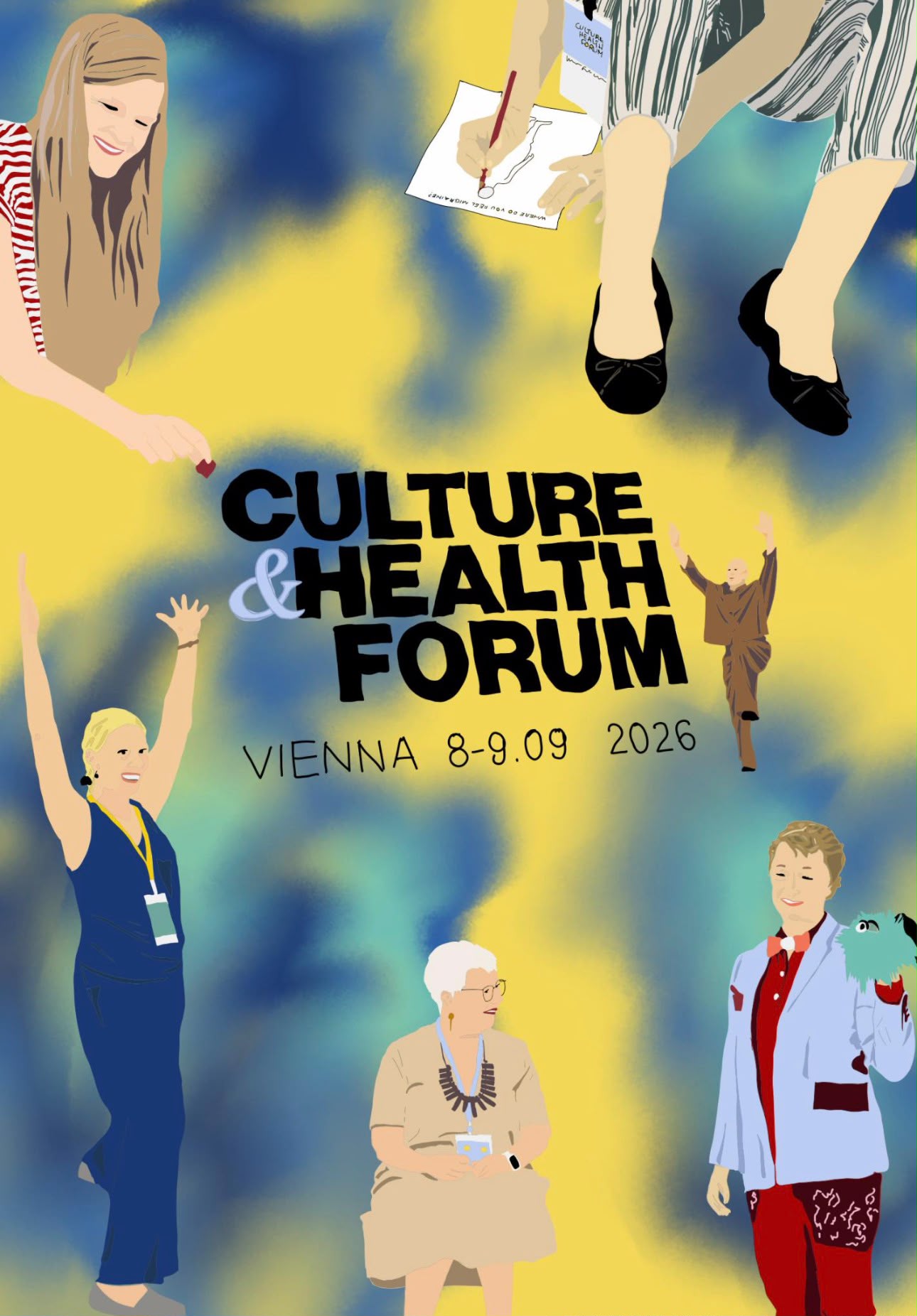
How can arts and culture become a more integral part of health promotion, prevention and care? EUREGHA joined the Culture & Health Forum 2026 in Vienna to explore this question alongside artists, cultural professionals, healthcare representatives, researchers and policymakers from across Europe.
On 8–9 September, the fully booked Forum brought together the culture and health sectors at Kulturhaus Brotfabrik for two days of policy discussions, research presentations, artistic showcases and participatory workshops.
As a partner in the CultureAndHealth Platform, EUREGHA brought its regional health perspective to an important conversation: how can we move from recognising the benefits of arts and culture to creating the partnerships, policies and conditions needed to make them accessible within health systems and communities?
From scientific evidence to health policy
One of the Forum’s central messages was that arts and culture have an important contribution to make to health, and that the challenge now is translating the growing evidence into policy and practice.
Professor Vicky Karkou from Edge Hill University presented research on the health benefits of artistic participation, addressing common misconceptions about arts and health and highlighting both the human and economic value of investing in cultural approaches.
The discussion built on the World Health Organization’s landmark 2019 review, which examined evidence from more than 3,000 studies and identified a role for the arts in health promotion, disease prevention and the management and treatment of illness across the lifespan.
For healthcare systems, these findings open up opportunities to complement traditional medical approaches with activities that support mental wellbeing, social relationships and quality of life.
However, evidence alone is not enough. Discussions throughout the Forum highlighted the need for stronger collaboration between healthcare providers and cultural organisations, appropriate evaluation methods, sustainable funding and professional training to translate promising practices into accessible services.
Addressing loneliness through arts, culture and community participation
Loneliness and social connection emerged as particularly important public health themes.
The WHO Commission on Social Connection’s 2025 report estimates that one in six people worldwide experiences loneliness and associates loneliness with approximately 871,000 deaths annually. These figures underline why social relationships and community participation deserve greater attention in health promotion and prevention.
During the Forum, participants explored how cultural activities can create opportunities for people to connect, express themselves and develop a stronger sense of belonging.
Concrete examples illustrated how this can work in practice.
The Austrian Public Health Institute presented insights from a youth participation process involving more than 150 participants. Young people identified a need for affordable leisure activities, accessible spaces to meet, peer support and greater opportunities to participate in decisions affecting their communities. These challenges were particularly relevant for young people living in rural areas, where cultural and social opportunities may be less accessible.
Another example, the Austrian Ankerpunkte initiative, illustrated how artistic activities can help create welcoming community spaces for people living with dementia and others in their communities. Working with artists, local associations and municipalities, the initiative brings people together through creative activities while addressing social isolation and stigma.
These examples demonstrated an important lesson for regional and local authorities: supporting social connection requires more than individual interventions. It also means investing in accessible community spaces, strengthening local partnerships and involving people directly in the design of activities that respond to their needs.
Connecting European exchange with regional experience
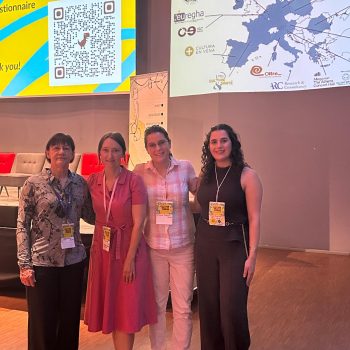
EUREGHA was pleased to reconnect with colleagues from across our network, including Aarhus Municipality, DEFACTUM, Central Denmark Region and Healthacross Lower Austria.
These exchanges provided an opportunity to connect the wider European discussion with practical experience from regional and local health systems.
Central Denmark Region offers a particularly relevant example of how this work can progress from individual initiatives towards a more structured approach.
In December 2025, the region adopted Denmark’s first regional policy for health and culture, building on years of experience with initiatives such as live music in intensive care, singing groups for people with respiratory conditions, reading groups and cultural activities for people living with dementia.
The policy aims to move beyond isolated projects and integrate sustainable cultural approaches into the everyday operation of healthcare services, supported by stronger partnerships and professional development.
The Forum also offered perspectives from Region Stockholm, whose Competence Centre for Culture, Arts and Health works to connect artistic practice, research and healthcare implementation. Its experience highlighted the importance of bringing together evidence, professional knowledge and an understanding of how healthcare systems operate.
For EUREGHA, these experiences reinforce the importance of the regional level in connecting different sectors, adapting approaches to local needs and creating conditions for practices to continue beyond individual projects.
Building the partnerships needed for lasting impact
The Forum also looked ahead to the policy and organisational conditions needed to strengthen the culture and health field.
Discussions on European policy developments considered opportunities emerging from the European Commission’s Culture Compass for Europe, which includes the development of EU guidelines on culture, health and wellbeing among its planned actions.
At the same time, speakers emphasised that successful cooperation cannot depend solely on European strategies or short-term funding.
Health and cultural organisations need shared objectives, opportunities to learn from one another and resources that reflect their respective responsibilities. Appropriate training, fair remuneration and safeguarding are also essential to ensure that artists can work effectively in health and care settings without being expected to replace qualified healthcare professionals.
Alongside the public conference, participating artists engaged in dedicated training sessions and partner meetings, exchanging experiences and strengthening the professional connections that support this growing field.
These activities reflected the broader ambition of the CultureAndHealth Platform: supporting artists working at the intersection of culture, health, care and social sectors while encouraging meaningful cooperation between professionals and organisations.
Bringing the lessons back to Europe’s regions
The Forum reinforced the importance of connecting scientific evidence, artistic practice and health policy with the realities of local communities.
For EUREGHA, the next step is to continue bringing these perspectives together through the CultureAndHealth Platform and our wider network, facilitating exchanges between regional and local health authorities and supporting the translation of knowledge and promising practices into regional action.
Building on our previous activities, including our webinar on scaling up Arts on Prescription, we will continue to explore how regional health systems can collaborate with cultural actors to develop more person-centred, preventive and community-based approaches to health and wellbeing.
The Culture & Health Forum was produced by ARTS for HEALTH AUSTRIA, RED NOSES International and Culture Action Europe, and co-funded by the European Union and Austria’s Federal Ministry of Housing, Arts, Culture, Media and Sport. The CultureAndHealth Platform is co-funded by the European Union.
related posts


